
ADVERTISEMENT
Europe has more than 125,000 miles of railway track, offering many ways to explore by train. Smart train travel tips across Europe can make each journey easier, from the first station to the last.
Many trains arrive in city centers, so European rail travel can help you avoid airports and unfamiliar roads. Cross-border train journeys make it easy to visit several countries without renting a car.
Key Takeaways
- Europe’s rail network spans more than 125,000 miles.
- Trains often stop in city centers.
- Rail trips can reduce the need for airport transfers or a rental car.
- Cross-border routes make multi-country trips easier to plan.
Plan a route that fits your trip, not just the map
Choose the experience you want: long rides, short stops, or time to change plans. Good timetable planning balances travel time with days for exploring.
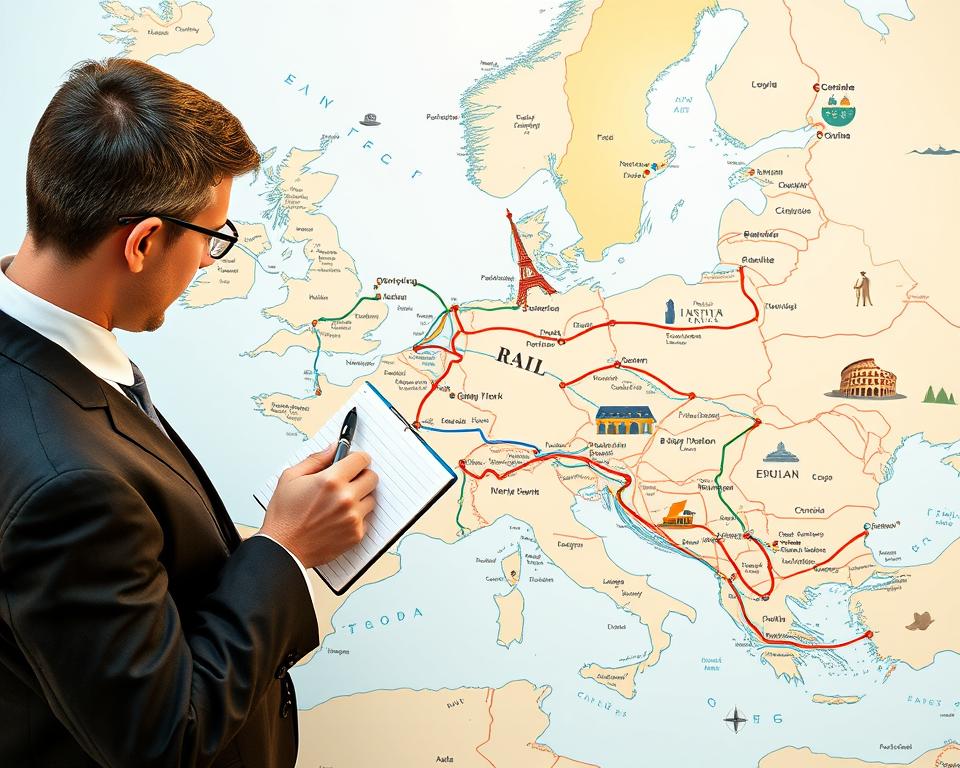
For cross-border connections, check rail services from your starting city. From London, Eurostar runs to Lille, Paris, and Brussels. NS International and B-Europe serve Rotterdam, Amsterdam, Belgium, and the Netherlands.
ADVERTISEMENT
From Paris or elsewhere in France, SNCF Connect covers many European train routes. Rail Europe and Trainline help you find trips from France to Italy, Spain, Portugal, and Austria. European Sleeper runs overnight services from Paris to Berlin.
Brussels and other Belgian cities link to neighboring countries through B-Europe. European Sleeper offers overnight trips to Berlin, Prague, and Milan. From the Netherlands, NS International serves nearby countries, while European Sleeper connects Rotterdam and Amsterdam with Berlin and Prague.
| Starting point | Services to check | Useful for |
|---|---|---|
| London | Eurostar, NS International, B-Europe | Paris, Lille, Brussels, Rotterdam, and Amsterdam |
| France | SNCF Connect, Rail Europe, Trainline, European Sleeper | Neighboring countries and overnight travel to Berlin |
| Belgium | B-Europe, European Sleeper | Nearby countries and overnight trips to Berlin, Prague, or Milan |
| The Netherlands | NS International, European Sleeper | Nearby countries and overnight trips to Berlin or Prague |
Choose the right train for each leg
Europe’s trains serve different needs. Compare travel time, fares, seat rules, and onboard amenities before booking. A mix of train types can make trips easier to plan.
High-speed trains for long city-to-city journeys
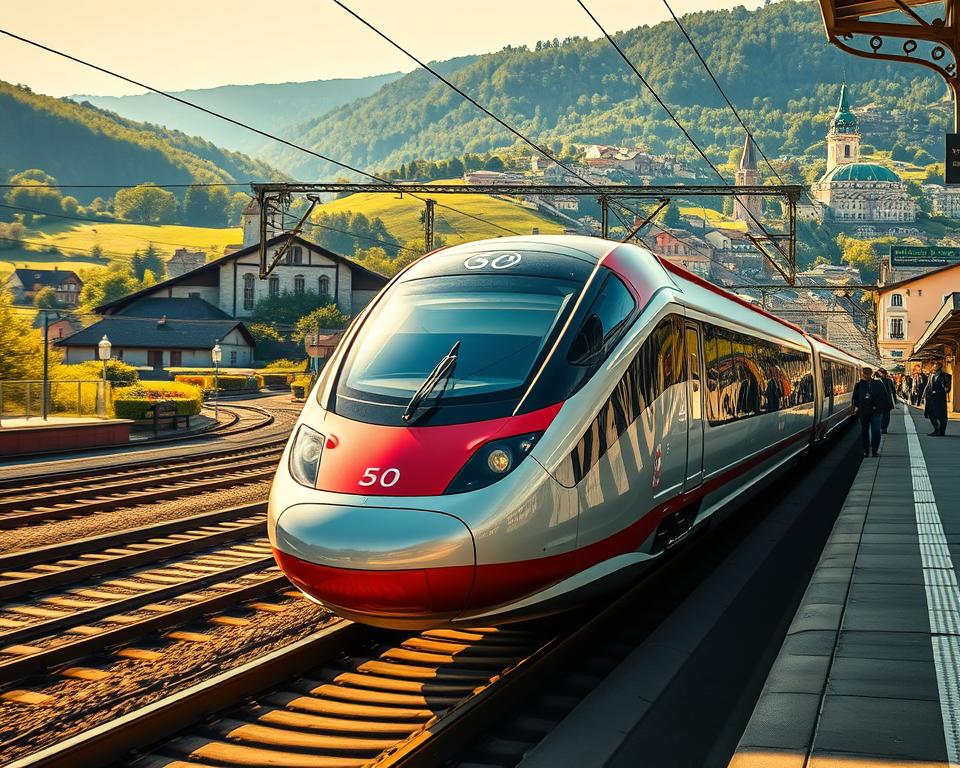
High-speed trains can cut hours from trips between major cities. Fares and seat reservation rules vary by route, so check both before buying. Onboard dining options depend on the train, so pack a snack for longer rides.
Regional trains for smaller towns and flexible stops
Regional trains serve smaller towns and make short stops along the way. They can offer more flexibility than high-speed services, though rides may take longer. Check the schedule and ticket rules for each leg.
Night trains when you want to save daytime travel
Overnight sleeper trains let you travel while sleeping and save daylight for sightseeing. European Sleeper runs routes such as Paris to Berlin and Amsterdam to Prague.
Nightjet serves routes from Amsterdam to cities including Zurich and Vienna. Food service varies, so bring snacks when onboard dining options are limited.
Decide between point-to-point tickets and a rail pass
For a few planned trips, point-to-point train tickets may cost less when booked early. However, they lock you into set dates and times, making changes costly or difficult.
A Eurail pass may suit trips with many train rides or stops in several countries. Check the rail pass validity dates and rules before buying. Compare its price with fares for your planned route.
Also, include seat reservation fees in your budget. Some high-speed and international trains require separate reservations, even when your pass covers the ride.
| What to compare | Point-to-point tickets | Rail pass |
|---|---|---|
| Best fit | A few fixed journeys | Several journeys or a multi-country trip |
| Price | Can be lower when booked early | Compare the pass price with planned fares |
| Flexibility | Usually tied to set dates and times | Can offer more choice within its validity rules |
| Reservations | May include a seat, depending on the ticket | Some trains need a paid reservation |
Book early when fares and seat availability matter
Train tickets often go on sale two to six months before departure, depending on the operator. Begin timetable planning two or three months early for more fare and departure-time choices. Popular high-speed routes can sell out quickly, especially during peak travel seasons.
For cross-border connections, Deutsche Bahn sells through tickets to many neighboring countries. Its site helps plan trips from Paris to Germany, Brussels across Europe, or Copenhagen to Amsterdam, Prague, and Zurich.
Compare fares for the same route before train ticket booking. Deutsche Bahn and Austrian Railways may price Germany-to-Austria trips differently, while Czech Railways may offer lower fares to Prague. Before buying, check each operator’s rules for changes, refunds, luggage, and seat reservations.
Check whether each train requires a seat reservation
Check each train operator’s rules before booking. Some high-speed and international trains require seat reservations, even with a rail pass. The pass covers the fare, but a separate reservation fee may apply. Confirm both costs and your rail pass validity.
Popular routes can sell out, so make high-speed train reservations early. If your ticket lists a carriage and seat number, keep those details handy. Have your ticket ready to show onboard.
Leave enough time for transfers
Leave extra time between trains, especially at a large station or when carrying luggage. Check station transfer times before booking, and avoid tight changes at unfamiliar stations.
Before boarding, check the departure board for your next platform. Signs and platform details can change, so allow time to confirm your route.
For cross-border connections, compare ticket options from German Railways, Austrian Railways, and the national operator for your route. Different companies may offer different fares for similar train connections.
| Transfer situation | What to check | Why it helps |
|---|---|---|
| Large station | Route to the next platform | Long walks can take extra time |
| Traveling with luggage | Time to move bags between trains | A buffer can reduce stress |
| Cross-border trip | Fares from each relevant operator | Ticket options may vary by company |
Get through large European stations with less stress
Large stations may have several levels, train operators, and routes. Check the departure station on your ticket, especially in Paris, London, and Rome. Trains may leave from different stations, so timetable planning can prevent a rushed start.
Find your platform and train number
Read the departure board, then match the train number, destination, and time with your ticket. Check the platform information before walking to the track. Before boarding, confirm your carriage and seat number.
Allow time for station changes and long walks
Arrive 15 to 30 minutes before departure for most trips. Allow more time at a large station, during an international journey, or when changing stations. Check station transfer times during route planning because short connections leave little room for delays.
Know when platform assignments appear
Some stations post platform details close to departure. Check the board again shortly before departure because assignments can change. Keep your ticket handy and compare its details with the board.
| What to check | Where to look | When to check |
|---|---|---|
| Departure station | Your ticket | During timetable planning |
| Train number, destination, and time | Ticket and departure board | When you arrive |
| Platform and carriage | Departure board and ticket | Shortly before boarding |
| Station transfer times | Your route and station map | Before booking a tight connection |
Pack for stairs, platforms, and limited luggage space
Train luggage restrictions vary by operator. You usually must lift and store your own bags. When packing for train travel, choose a suitcase you can carry upstairs and through busy stations alone.
A compact suitcase and daypack are easier to manage than bulky bags when changing trains or boarding. Keep passports, tickets, and valuables in a small bag with you. Keep your carry-on luggage close and in sight during the ride.
A small lock, portable charger, reusable water bottle, and snacks can make your trip easier. Check your operator’s luggage restrictions before leaving, and pack only what you can carry comfortably.
| Item | Why it helps |
|---|---|
| Compact suitcase | Easier to lift onto trains and store in limited space |
| Daypack | Keeps essentials close while leaving your hands free |
| Small lock | Adds a layer of security when bags are stored away |
| Portable charger | Keeps your phone ready for tickets and travel updates |
| Water bottle and snacks | Offer simple comfort between station stops |
Keep your passport and border rules in order
Carry your passport on cross-border connections, even when border crossings seem seamless. Officials may ask to see your ID during the ride. Before leaving, check entry rules for every country on your route.
Keep your passport and ticket somewhere easy to reach. A passport for European train travel is essential, but your ticket matters too. Check its route and departure station before you leave.
For international rail travel, spending a few minutes checking your documents and ticket details can help you board with less stress.
Make long train rides more comfortable
Train amenities vary by operator and route, so check your service before leaving. Review onboard dining options, and pack snacks for long rides or trains without food service. A reusable water bottle and portable charger can make your trip easier.
When booking, look for a quiet car if you prefer a calmer ride. A first-class upgrade may provide more space and extra amenities. These choices can make comfortable train travel easier from the start.
Overnight sleeper trains let you travel while you sleep. European Sleeper serves routes such as Paris to Berlin and Brussels to Berlin, Prague, and Milan. Nightjet connects cities including Brussels, Amsterdam, Munich, Vienna, and Zurich; check current routes and onboard features before booking.
| What to check | Why it helps |
|---|---|
| Food service | Plan snacks if meals or cafe service are not available. |
| Seat and car type | Quiet cars and first-class seats may offer more comfort or space. |
| Sleeper route and amenities | Confirm the route, berth type, and services before reserving an overnight trip. |
| Personal essentials | Bring water and a charged portable battery for the ride. |
Stay ready for delays, cancellations, and missed connections
Check the departure board shortly before leaving. Platforms can change with little notice. If delays cause missed connections, check the next train’s platform and schedule.
Before booking, read the operator’s rules for ticket changes and refunds. Policies vary by ticket type. Allow enough time for station transfer times, especially at large stations or with luggage, and skip tight connections when possible.
Download your tickets, maps, and key travel details before losing Wi-Fi or mobile service. Keep your ticket easy to reach throughout the trip.
Run through this pre-departure checklist before you leave
Before leaving, confirm your departure station, time, train number, and destination. Check the latest platform assignment. Good timetable planning helps you find your train without rushing.
Review your ticket details and check whether you need seat reservations, even with a rail pass. If assigned, note the carriage and seat number. Complete ticket validation on the platform before boarding when required.
Check the operator’s luggage restrictions, change rules, and refund policy. For international trips, keep your passport handy. Save tickets and travel details offline, allow time to reach the platform, and pack only what you can comfortably carry.




