
ADVERTISEMENT
The TSA screened more than 858 million travelers in 2023—about 2.4 million each day. Busy airports may bring long waits, terminal changes, or another security check. Simple planning can make your layover easier.
These airport layover tips for long flights begin with one simple step: keep essentials close. Pack a carry-on comfort kit, and store medication, travel documents, money, and chargers in your personal item. This lets you rest, eat, or change terminals without searching through checked luggage.
Key Takeaways
- Keep travel documents, medication, money, and chargers in your personal item.
- Pack a carry-on comfort kit with items you may need during the wait.
- Plan for rest, food, water, and movement after a long flight.
- Check your next gate and allow time for terminal changes or security checks.
- Follow airport entry rules before deciding to leave the terminal.
How much layover time do you need after a long flight?
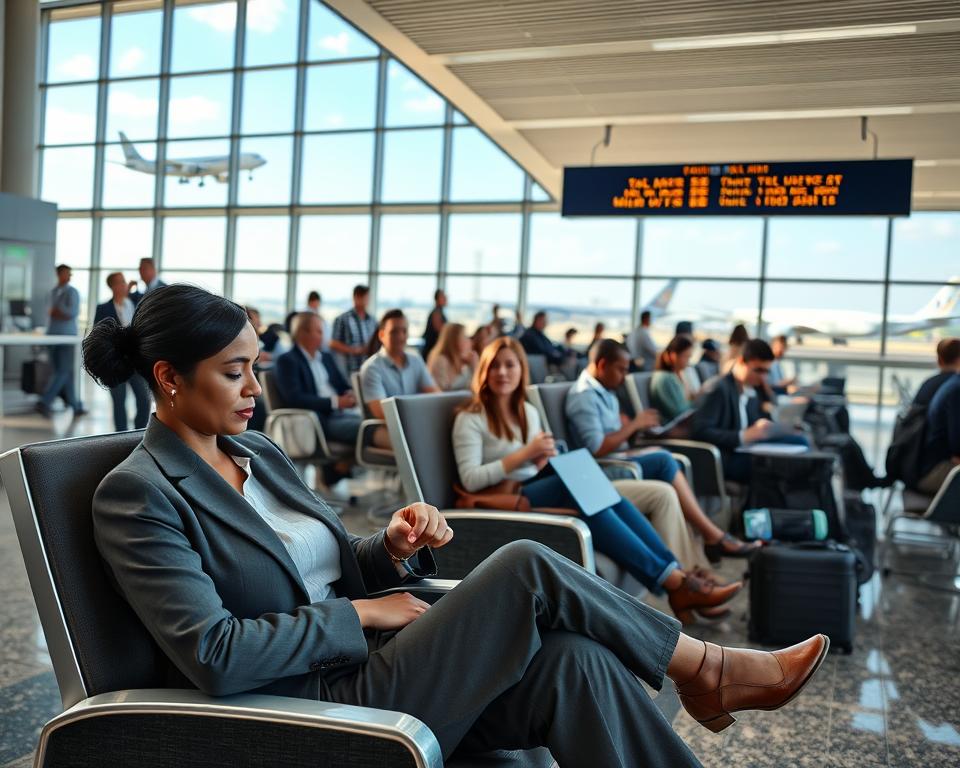
Give yourself more time than the airport’s minimum connection time. A short connection may work on paper, but long walks, busy lines, or late arrivals can risk your flight.
ADVERTISEMENT
Domestic connections with checked bags
A 30-minute domestic connection may be the absolute minimum, but aim for at least 60 minutes. Add time at large airports or when the terminal transfer time is long. Checked bags move to your next flight when both flights are on one ticket, but confirm this with your airline.
International connections through U.S. airports
Allow two to three hours when connecting from an international flight in the United States. You may need to clear immigration and customs, collect your bags, and pass security again. Lines and airport size can add time, so treat the posted minimum connection time as a baseline, not a promise.
Self-transfers and separate tickets
With separate tickets, leave at least an extra hour beyond the usual connection time. You may claim and recheck bags, and the next airline may not protect you if your first flight is late. A longer wait can help you avoid missing a once-daily flight.
What should you pack in your personal item for a long layover?
Keep items you need during the wait close by. A small pouch in your backpack makes essentials easy to grab, even when the backpack is overhead.
Comfort items for resting in the terminal
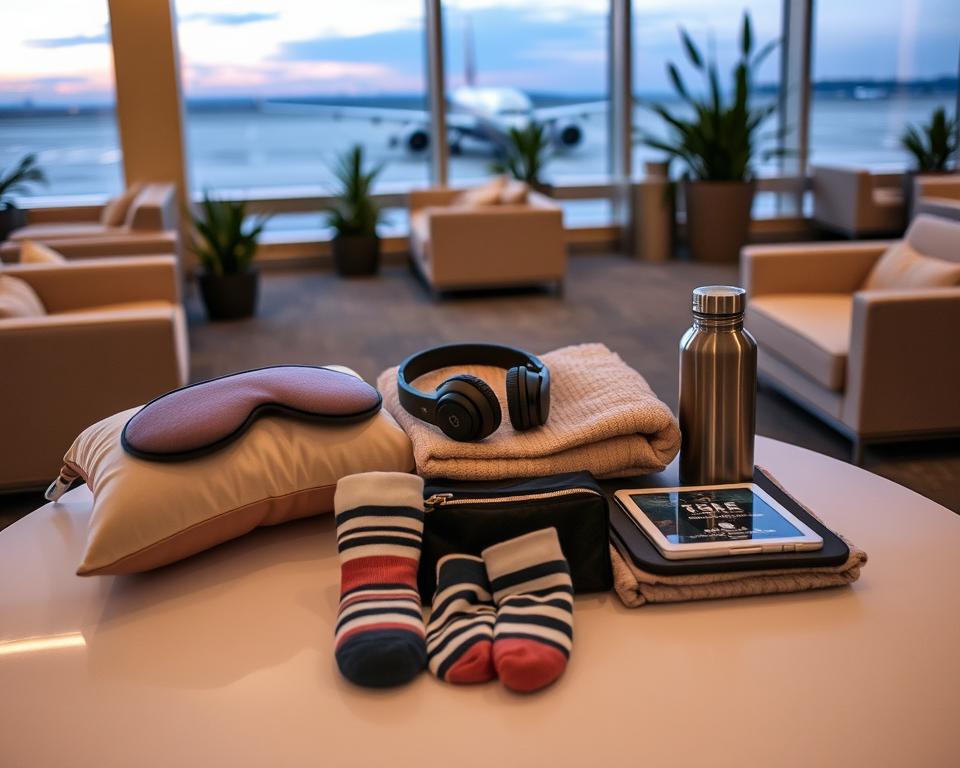
Pack a travel pillow, compression socks, and thin slippers to rest more comfortably. Add a book and earphones to your carry-on comfort kit. Keep travel documents and money in a secure pocket, not a bag stowed above your seat.
Medications, toiletries, and a change of clothes
Bring needed medication in its original packaging, plus a toothbrush and small skincare products. A spare shirt and underwear can help you feel fresh after a long flight. These simple long-haul flight essentials take little space and make long waits easier.
Chargers, adapters, and backup power
Pack your charger and a power bank. Airport and airplane outlets may be limited, worn, or unable to charge devices well. Download shows, books, or podcasts before leaving in case you cannot recharge during the layover.
| Item | Why pack it | Where to keep it |
|---|---|---|
| Travel pillow and thin slippers | Make resting in the terminal more comfortable | Personal item |
| Medication and toiletries | Keep care items close and easy to reach | Small pouch in your personal item |
| Charger and power bank | Help keep devices ready when outlets are limited | Personal item |
| Book and earphones | Offer offline entertainment during the wait | Carry-on comfort kit |
What should you do first when you land?
Check your airline or airport app for your next gate, delays, and gate changes. Use the airport map to plan your route and find any terminal shuttle or train. Good airport navigation starts with reaching your gate before food or shopping.
If your connection is tight, tell a flight attendant before landing. After you arrive, ask airline or airport staff for help; some airports offer priority lanes for connecting passengers. Keep your passport, boarding pass, and any visas easy to reach for connection planning.
If a delay makes you miss your flight, contact the airline help desk right away. Ask about rebooking, standby seats, ticket rules, and possible hotel stays. Check your travel insurance for missed connections and related costs in your flight delay contingency plan.
Where can you rest comfortably between flights?
Your best spot depends on your layover length and airport rules. Keep your bags close, check the rules, and set an alarm before resting.
Quiet airport seating and rest zones
Look for airport rest areas with calm lighting, padded seats, or dedicated quiet zones. Noise-canceling headphones or foam earplugs can soften terminal noise. Keep your passport, phone, and wallet within reach.
Airport hotels and day-use rooms
An airport hotel offers a real bed, a shower, and a break from crowds. Some properties offer day-use rooms, and Minute Suites has hourly sleep rooms at select airports. At Dallas-Fort Worth International Airport, Grand Hyatt DFW is inside the terminal.
Hyatt Regency DFW is across the street. Check current access, shuttle details, and rates before booking. Some sleep options may be covered by a premium credit card benefit.
Safe places to nap near your gate
For overnight airport safety, choose a staffed area near your gate instead of a secluded corner. Keep valuables on your body or secured to your bag. Set an alarm with enough time to wake, pack, and reach boarding.
| Rest option | Best for | What to check |
|---|---|---|
| Quiet seating or rest zone | A short, low-cost break | Sleep rules, nearby staff, and a safe place for bags |
| Airport hotel or day room | A bed, shower, and longer rest | Room hours, terminal access, and total cost |
| Nap near the gate | A brief rest before boarding | Gate changes, alarms, and keeping valuables close |
How can you eat and hydrate without feeling worse?
Check restaurant hours before you travel. Good layover food may be in another terminal, and reaching it could require another security check. Choose a light meal, and avoid spicy foods, fizzy drinks, and foods that often upset your stomach.
Drink water during your wait. Hydration on long flights matters because dry cabin air and alcohol can make you feel worse. If you drink alcohol, keep it modest and allow time to reach your gate. Water and an electrolyte drink may help you feel refreshed.
Some long-haul flights offer water and snacks in the galley. During a layover, airport lounge access can help you find a meal, water, and a place to sit. Check what is available before relying on it.
| Need | Simple choice | What to check |
|---|---|---|
| Food | Small, familiar meal | Restaurant hours and terminal location |
| Drinks | Water or electrolytes | Refill points near your gate |
| Lounge meal | Food and water during the wait | Airport lounge access, hours, and entry rules |
Which stretches and movements help after a long flight?
For movement after flying, take an easy walk when it is safe. Dr. Sanjiv Lakhanpal recommends walking the aisle every one to two hours on flights longer than four hours.
While seated, try ankle circles, heel raises, and foot pumps. Before boarding, walk around the terminal, then do calf raises, heel-toe rocks, and gentle knee bends.
Compression socks may support circulation on long flights, but they do not replace regular movement. Choose a comfortable pace, and stop if a stretch causes pain.
How can you sleep safely during an airport layover?
Check airport rules before settling in because some terminals limit overnight stays. Choose a spot near travelers or staff, with a clear view of your gate. Keep your passport, phone, wallet, and boarding pass close, then set an alarm for boarding.
Overnight airport safety begins with keeping essentials close, not on a nearby seat or floor. Earplugs or noise-canceling headphones can soften terminal noise. These airport sleeping tips can make a safe airport nap feel easier.
For a long layover, a hotel room or hourly sleep room can provide more privacy than a terminal bench. Minute Suites is one airport option. If you remain in the terminal, choose a well-lit place and keep your belongings close.
| Rest option | Best for | Key safety step |
|---|---|---|
| Terminal seating | A short rest between flights | Keep valuables and documents within reach |
| Hotel or hourly room | A longer layover with time for sleep | Set an alarm and track boarding time |
Are airport lounges worth using for a long connection?
A lounge can make a long wait calmer, with space to sit, eat, and recharge. Its value depends on access rules, amenities, and your time before boarding.
Lounge access and guest policies
Airport lounge access may come with airline status, a qualifying ticket, or a credit card. Some lounges sell a lounge day pass when space is available. A visit may cost about $50 per person, so check the current price and guest policy first.
Showers, food, and quiet seating
A lounge may offer quiet seating, meals, drinks, and secure carry-on storage. Some have private lounge showers, while others offer only soft drinks and light snacks. The Virgin Atlantic Clubhouse at Dulles and Qatar Airways’ Al Mourjan Lounge in Doha offer broader food and amenities. Check current services, since they can change.
When a lounge may not be worth the cost
A short connection may not leave enough time to enjoy the lounge. A crowded space or limited food can make the fee harder to justify. Compare the cost with your needs before buying a pass.
| What to check | Why it matters | Good fit when |
|---|---|---|
| Access rules and guest fees | Entry may depend on your ticket, status, card, or available space. | You can confirm entry before heading to the lounge. |
| Food, seating, and showers | Amenities vary by location and may change. | You have time to eat, rest, or freshen up. |
| Day-pass price | A visit may cost about $50 per person. | The comfort and services are worth the fee to you. |
How do you stay entertained and connected during the wait?
Plan a mix of airport layover entertainment to make your wait easier. Downloaded media lets you watch movies or shows without relying on airport Wi-Fi. Also bring a book, a deck of cards, or a packable game like Travel Scrabble.
Keep chargers and a power bank in your carry-on for backup power. Airport outlets may be unreliable. One traveler reported saving up to 200 TikTok videos with the app’s Offline Videos feature.
Break up the wait with a walk around the terminal, a meal, reading, music, and rest. A simple plan can help the hours feel less tiring.
What changes during an international airport layover?
International connections may add passport checks, customs steps, and new security screening. Whether you can leave depends on local rules, your route, and the airport’s layout.
Immigration and customs requirements
When entering the United States or Canada from abroad, you usually clear immigration and customs at your first stop. You may collect checked bags, recheck them, and pass through security again. At check-in, ask whether your bags are tagged to your final destination.
Security rechecks and terminal transfers
Some airports let connecting passengers remain in a secure transit area. Others require another security check or a move between terminals. Check the airport map and transport options before flying, and allow enough terminal transfer time.
Visa and transit rules
In Europe, immigration checks depend on whether your trip enters or leaves the Schengen Area. Connections within the area usually avoid a new border check. Review visa requirements and international transit requirements for every stop before leaving the airport.
How do you prepare for the next flight without rushing?
Check the airport map and app for your gate, walking route, and terminal shuttle. If your connection is tight, tell the crew and use the restroom before landing.
Keep your documents ready, and head to the gate before shopping. Compare your layover with the airport’s minimum connection time, but leave room for delays.
Ask the airline about your checked baggage connection. American Airlines may send bags through to Mazatlán on some itineraries, while other trips may require you to collect them in Dallas. Keep medicine, chargers, money, and travel documents in your carry-on.
Before you travel, note backup flights and check your ticket rules and travel insurance. A simple flight delay contingency plan can help you act fast when a late arrival threatens your connection.
What is the simplest comfortable routine for a long layover?
Check your next gate, boarding time, and connection rules first. Then choose rest that fits your schedule: a quiet terminal spot, lounge, hotel, or airport-approved nap. These airport layover tips for long flights help you use the time well.
Keep your essentials close, drink water, and eat food that feels good to you. Walk or stretch when possible. Before boarding, confirm your gate, terminal route, and checked-bag plan.
For jet lag management, try an app such as Timeshifter to plan light exposure around your sleep habits and trip. You can also shift your sleep before departure and keep caffeine to the morning. A comfortable layover routine should leave room to rest, not create more stress.
If you have enough time, a city visit may be possible, but check entry rules and allow time to return. A 7- to 8-hour stop in Anchorage or a Doha hotel stay can make sightseeing possible, depending on your plans.




