
ADVERTISEMENT
One traveler once carried a 75-liter backpack weighing up to 20 kilograms, plus a 5-kilogram daypack. Later, a 30-liter bag worked for trips across several continents. This change shows how a thoughtful plan can improve the way you travel.
These backpack packing tips for beginners help you choose what deserves space in your bag. Beginner backpack packing and lightweight packing make room for what matters, skip checked-bag waits, and ease bus and train travel. Some travelers aim for 5 kilograms; many airlines set a 7-kilogram carry-on limit, so check your carrier’s rules.
Key Takeaways
- Pack for your trip, not for every possibility.
- A smaller, lighter bag is easier to carry.
- Check your airline’s carry-on weight limit.
- One bag can help you avoid checked-bag fees and pickup waits.
- Make space for easy travel on local transportation.
Choose a backpack that matches the trip
Let your route, weather, and gear guide your backpack size. An 18- to 30-liter pack may carry your backpacking essentials on a light trip. Cold trips with bulky layers may need a 35-liter bag.
A 30- to 35-liter pack suits many kinds of travel. For example, the Cotopaxi Allpa 35-liter can suit a two-week trip around Europe.
It can also work for a weeklong trip with a heavy coat and boots. Its straps tuck away for duffel-style carrying.
ADVERTISEMENT
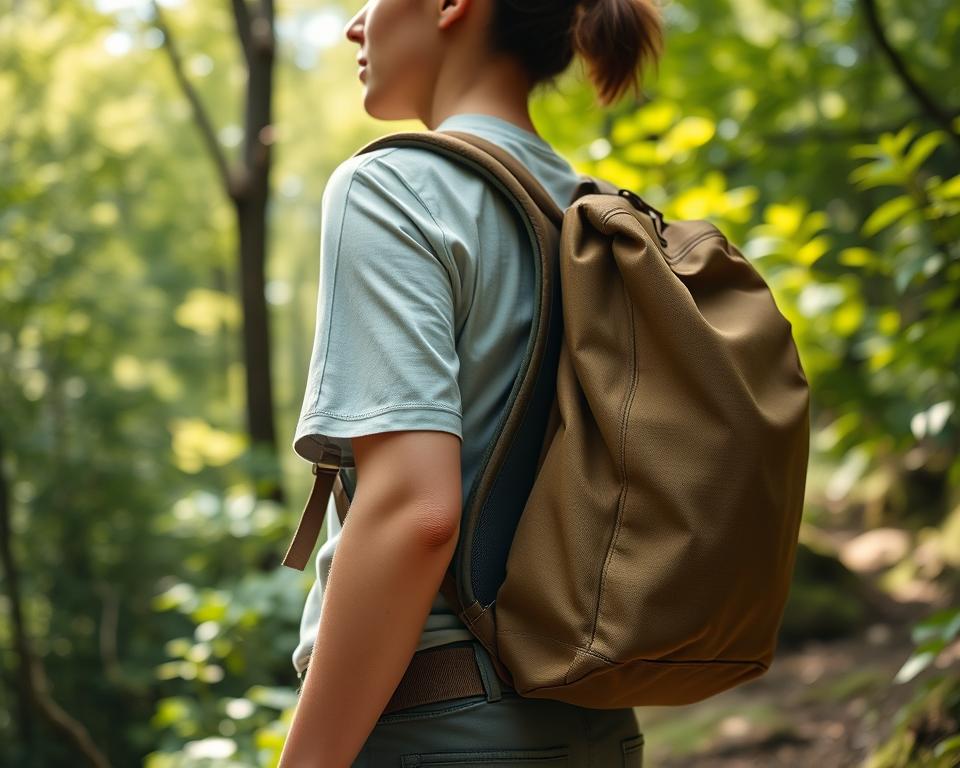
Check the harness before buying. Supportive shoulder straps, a sternum strap, and a hip belt spread the load for a comfortable backpack fit. External pockets hold a water bottle, umbrella, or phone, while inner compartments keep gear easy to reach.
| Trip or preference | Pack size to consider | Useful features |
|---|---|---|
| Light packing | 18–30 liters | Simple compartments and a compact design |
| Cold-weather trip | About 35 liters | Room for bulky layers, a coat, and boots |
| One bag for varied trips | 30–35 liters | Supportive harness, hip belt, and easy-access pockets |
Make a lightweight packing list before filling it
Build your backpack packing list around your trip. Check the weather, season, local customs, planned activities, transportation, laundry access, and shopping options.
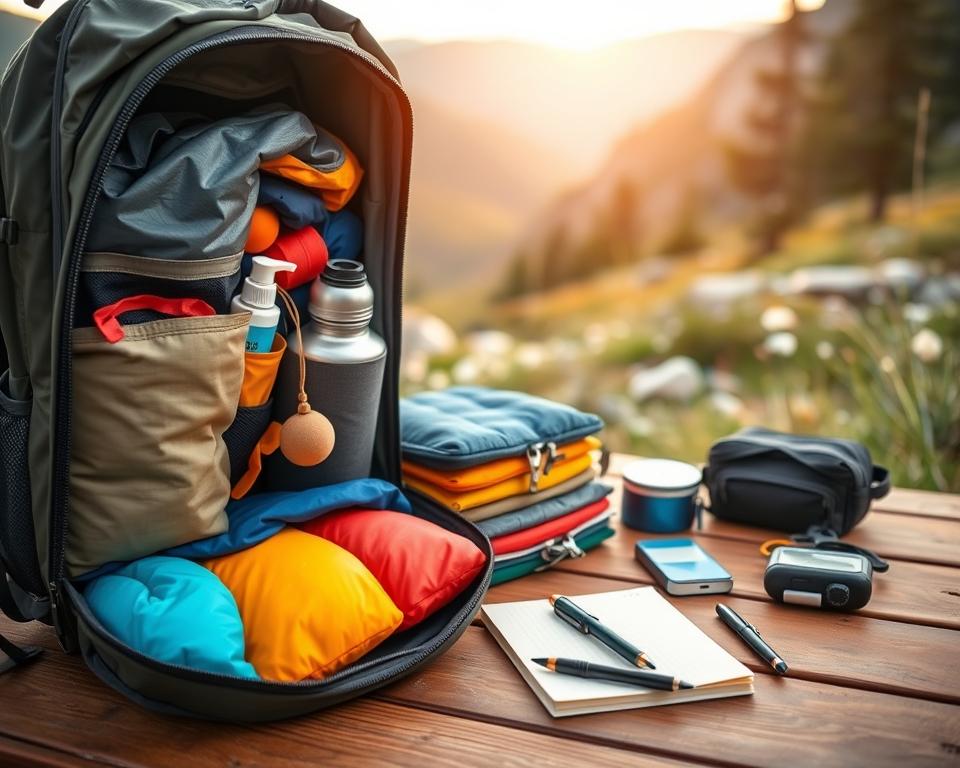
For minimalist packing, choose items with more than one use. Your smartphone can replace maps, guidebooks, a camera, and entertainment devices. Rent or borrow bulky specialty items, such as a winter jacket, instead of buying them.
Use this quick check to decide what belongs in your bag:
| Trip need | What to consider |
|---|---|
| Weather and season | Pack layers suited to the forecast. |
| Activities and transport | Choose gear that fits your plans and travel mode. |
| Laundry and shopping | Pack fewer clothes if you can wash or buy basics. |
| Bulky specialty items | Borrow or rent ultralight gear and larger essentials when practical. |
Place heavy items close to your back
Good backpack load placement keeps your bag steady and comfortable. Put dense gear near your back, with weight centered between your shoulders and hips. A supportive harness and hip belt help spread the load.
Pack dense gear in the middle of the bag
Keep cooking gear or a full toiletry kit in the middle of the main compartment, close to your back. This pack weight distribution helps reduce pulling and keeps the bag balanced as you walk.
Keep lighter items at the bottom
Place a cube of shirts and dresses near the base of the bag. Add a sweatshirt or another soft layer above it. This creates a stable base without putting hard, heavy gear far from your back.
Leave essentials near the top or outside pockets
Store snacks, your phone, wallet, camera, and passport where you can reach them easily. Use accessible backpack pockets for items you need often, and keep valuables in a secure pocket.
Pack clothing in a compact, flexible system
Build outfits around a few pieces that fit the weather and work well together. A simple layering system helps you adjust without packing extra clothes.
Choose layers that work together
A capsule wardrobe keeps choices simple: try three tops, three bottoms, and shoes for different needs. Choose colors that pair easily, then add a warm layer, such as a sweater or lightweight puffer.
Merino wool, including Smartwool garments, can stay warm and resist odors between washes. Quick-drying clothing makes laundry easier and reduces the need for spare items.
Roll soft clothes and fold structured pieces
Roll soft shirts and sleepwear to save space. Fold jeans, jackets, and other structured items into neat stacks. Use whichever method keeps your bag tidy and easy to unpack.
Limit backup outfits and duplicate items
Pack enough socks and underwear for your plans, plus a rain jacket if the forecast calls for one. Wear your heaviest shoes and outer layer while traveling. If you can do laundry, repeat bottoms and wash tops as needed.
Store toiletries and small gear where you can reach them
Good toiletries organization saves time when you need something quickly. Use small bags to group loose gear and keep your pack easy to scan.
Use small bags for loose essentials
Pack travel-size toiletries or refill bottles to reduce bulk. A contact-lens case can hold a little lotion or foundation. Check whether your hostel provides shampoo and conditioner before packing extras.
Keep sleep and hygiene items together
Keep your hygiene kit near your sleep gear for easy access at camp or in a hostel. Hand sanitizer, wipes, and tissues fit well in a compact pouch. Keep blister prevention supplies close at hand, too.
Put frequently used items in accessible pockets
Store a combination lock, adapter, or other daily-use gear in an outer pocket. Then, you can grab what you need without unpacking your bag.
Fit food and water into the remaining space
Pack meals in a compact bag, leaving room for a water bottle. Use simple food storage, such as sealed bags, to keep items tidy and contain spills. Check your route first because water access and safety can vary.
Keep snacks for backpacking in an outside pocket for quick trail access. Carry enough for the planned hike, plus a little extra for delays.
When safe drinking water is unavailable, bring bottled water or a suitable water purification method. Follow local guidance, and cover the full trip in your plan.
Protect electronics, documents, and fragile gear
Keep your passport, phone, wallet, and camera in easy-to-reach pockets. For passport storage, choose a secure inner pocket, such as one with a double zipper. Anti-theft loops can help hold small valuables in place.
Good electronics packing starts with a simple check. Pack your camera, charger, adapter, and camera gear together. Waterproof dry bags can add a layer of protection from damp conditions.
Your smartphone can meet many needs, including maps, trip plans, photos, and entertainment.
| Item | Suggested spot | Why it helps |
|---|---|---|
| Passport and wallet | Secure inner pocket | Keeps key documents close and easy to find |
| Phone and camera | Reachable pocket with secure closure | Makes quick access simple |
| Charger and adapter | Together in a small pouch | Prevents loose gear from shifting |
| Camera gear | Cushioned space inside the pack | Helps shield fragile items from bumps |
Put on the backpack and adjust the load before leaving
Put on your pack and walk around before leaving. Adjust the shoulder straps, sternum strap, and hip belt until the load feels steady. Good backpack fit spreads pressure across your body, while pack weight distribution stops heavy items from pulling you backward.
A school backpack may dig into your shoulders when it holds many items. Choose a supportive pack with a good backpack fit, and avoid extra space that may encourage overpacking. Keep your smartphone handy if you use it for trail navigation.
Use a final shakeout to remove what you will not need
Before leaving, check every pocket and compare your load with your essential gear checklist. Remove “just in case” items that do not suit the trip. These simple backpack packing tips for beginners can make the trail feel easier.
A smaller bag can speed up packing and unpacking while helping you track your things. Pack fewer clothes, too. Handwash socks and underwear every few days, and choose quick-drying fabric so they are ready again.
Look for easy swaps: your smartphone may replace a laptop, journal, or extra travel gadgets. One traveler uses 5 kilograms, or 11 pounds, as a day-bag target. Your needs may differ, but a final check can help you avoid overpacking.




