
ADVERTISEMENT
TSA screened more than 904 million passengers in 2024. Simple preparation can make your first trip through security easier.
Airport security tips for first timers begin with knowing what to expect. Officers check travel documents and screen your body and carry-on bags for prohibited items or possible threats. Steps may vary by airport, so watch signs and follow officer instructions.
Key Takeaways
- Security helps keep passengers and airport staff safe.
- Expect a document check and screening for you and your bags.
- Procedures can differ from one airport to another.
- Follow signs and listen to TSA officers.
- A calm, prepared approach can help you move through the checkpoint with less stress.
Check your flight, terminal, and TSA requirements before leaving
Before leaving, confirm your flight time and terminal with your airline, then check again because gates can change. Visit the airport website for carry-on rules. TSA checkpoint procedures may vary by airport, and this quick check may prevent packing items that slow screening.
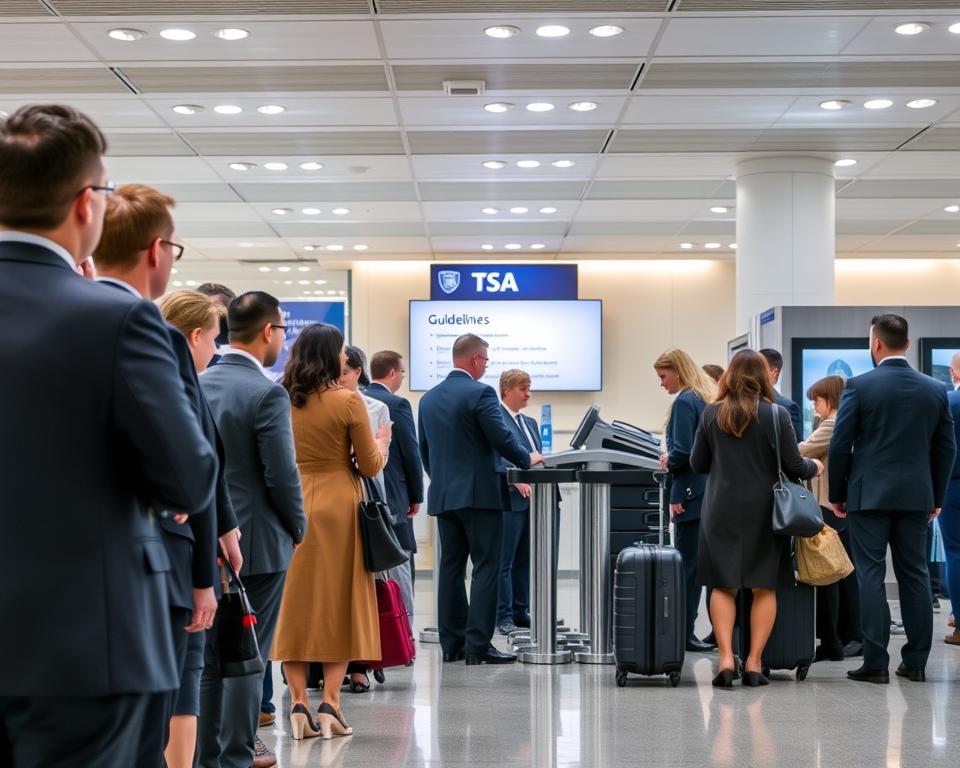
Check the airport’s updates on security line wait times, too. Early mornings and days before summer holidays may bring heavier crowds. Knowing what to expect can help you plan your airport trip and move through TSA checkpoint procedures with less stress.
ADVERTISEMENT
Pack liquids and electronics so they are easy to screen
A little planning makes screening easier. Keep liquids and large electronics near the top of your carry-on. You can reach them without unpacking your whole bag.
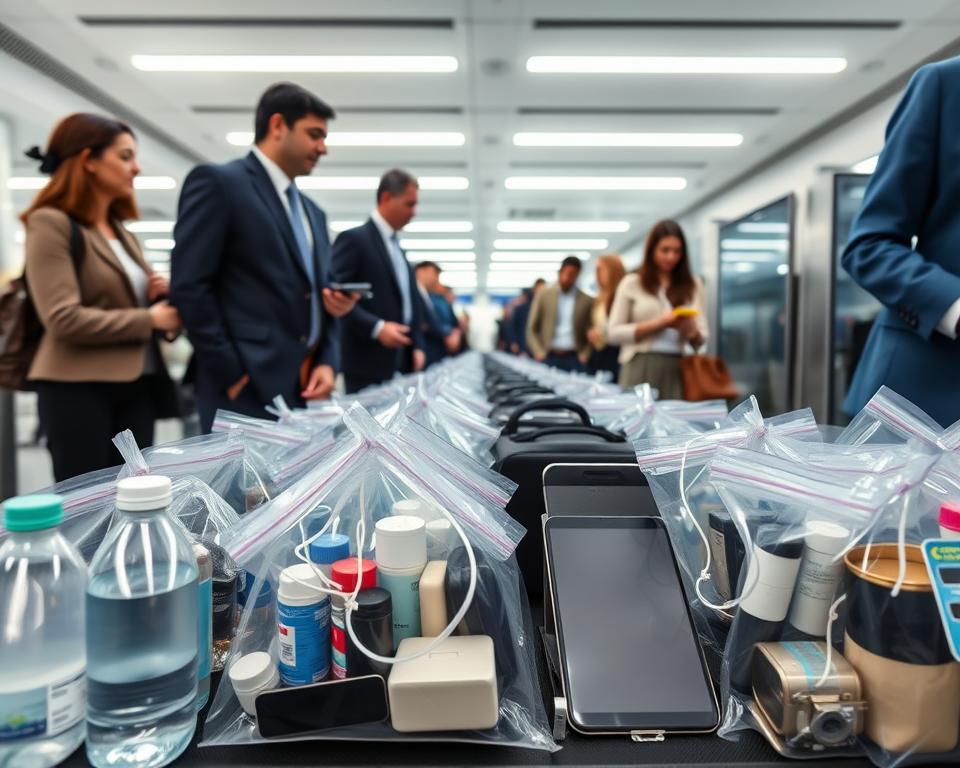
Follow the 3-1-1 liquids rule
Under the 3-1-1 liquids rule, each container must hold 3.4 ounces or less. Place containers in one clear, quart-size bag near the top of your bag. These liquid screening requirements help officers check items quickly, and TSA PreCheck members can usually leave liquids packed during screening.
Keep large electronics accessible
Laptops and some tablets may need to come out of your carry-on for screening. Keep them in an easy-to-reach spot, and check your airport’s instructions before packing. Following carry-on baggage rules can help you avoid checkpoint delays.
Leave prohibited items out of your carry-on
Check the prohibited items list before leaving home. Sharp objects and large liquid containers may not be allowed in your carry-on, and they can slow screening. Pack permitted items in checked baggage when appropriate.
Have your ID and boarding pass ready at the entrance
Before you reach the entrance, take out your boarding pass and passport or driver’s license. Staff may ask to see them, or you may scan them at an electronic gate.
For easy boarding pass preparation, save a digital copy on your phone or bring a printed one. Keep it with your identification documents in a travel wallet or document holder. You can reach it without digging through your bag.
Arrive early enough to handle parking, lines, and delays
For a domestic flight, reach the airport at least two hours before departure. For an international flight, arrive three hours early. Your airport arrival time should allow for parking, check-in, and security lines.
Add 20 minutes to your airport arrival time estimate, even with expedited screening. Traffic, crowded lots, and long lines may slow you down. Allow extra time during holidays and other busy travel periods.
Get your shoes, jacket, pockets, and bags ready in line
Use your time in line to prepare for metal detector screening. Slip-on shoes are easier to remove than boots or shoes with tricky laces and straps. Choose clothes that are simple to take off and put back on.
Remove bulky jewelry and metal items before reaching the front. Keep your laptop and liquids easy to reach in your carry-on. Then, you can remove them without unpacking everything.
| Item | What to do in line |
|---|---|
| Shoes | Untie laces or prepare slip-ons for removal. |
| Pockets and accessories | Remove metal items and bulky jewelry. |
| Carry-on bag | Keep your laptop and liquids easy to reach. |
Know what happens at the TSA checkpoint
At the checkpoint, follow TSA checkpoint procedures: show or scan your boarding pass and ID when asked. Keep both ready until you pass the entrance.
Follow the officer’s directions for the bins. You may need to remove shoes, jackets, liquids, and large electronics from your carry-on. These airport security screening steps help officers check you and your belongings.
Walk through the metal detector or body scanner when directed. An alarm or an item needing a closer look may lead to extra screening. Once cleared, collect your belongings and head to the departure area.
| Checkpoint stage | What to expect |
|---|---|
| Document check | Show or scan your boarding pass and ID. |
| Bag screening | Place requested items in bins for inspection. |
| Personal screening | Walk through a detector or body scanner. |
| After screening | Collect your items and continue to your gate. |
Prepare for medications, children, and special screening needs
Planning can make the checkpoint easier for everyone. Keep items that may need extra checks separate from your other bags, and tell a TSA officer what you carry.
Bring medications in your carry-on
Keep medicines in your carry-on so they stay with you during the trip. During medications at airport security, officers may inspect them, so pack them where they are easy to reach. Tell an officer if you have liquid medicine or supplies that need special handling.
Plan for children and baby gear
Baby food and gear may need extra screening. Keep food separate from other items, and tell the officer it is for your child. During family airport screening, allow extra time for strollers, bags, and young children.
CLEAR Concierge offers curb-to-CLEAR or curb-to-gate help to CLEAR+ members, including help carrying bags. This help can be useful when traveling with children and extra gear.
Tell a TSA officer about disabilities or medical devices
Tell an officer about a disability, implant, or medical device before screening begins. Clear details can help the officer explain the next steps. Medical device screening may involve a separate check, depending on the device and screening process.
| What you’re carrying | Before screening |
|---|---|
| Medication | Keep it easy to reach and tell an officer if it needs special handling. |
| Baby food | Pack it apart from other belongings and let the officer know it is for your child. |
| Medical device | Tell an officer about the device before screening begins. |
Fix common security delays without panicking
An alarm or item needing a closer look can lead to a bag recheck or a few questions. It can also lead to a pat-down or a swab. These steps are part of additional security screening and do not always mean you did something wrong.
Stay calm, listen to the officer, and ask if you are unsure what to do. A clear question can help you move through the process and avoid adding stress to airport security delays.
| If this happens | What to do |
|---|---|
| Your bag needs another check | Wait nearby and follow the officer’s directions. |
| An officer asks you to complete a screening step | Listen closely and ask for clarification if needed. |
| You feel unsure or anxious | Take a breath and speak calmly with the officer. |
Run through this quick checklist before you enter the checkpoint
Before you join the line, keep your ID and boarding pass easy to reach. Put liquids in a clear bag, and pack large electronics where you can remove them quickly.
Check your carry-on for restricted items, and make sure your shoes and outer layers come off easily. This airport security checklist helps you stay organized and avoid common delays.
Allow time for screening, extra checks, and the walk to your gate. A calm pace supports faster airport screening and helps you reach your flight without a last-minute rush.




