
ADVERTISEMENT
On a cruise, you can unpack once and wake up in a new destination the next day. That makes packing easier, but your plans still matter. A Bahamas trip with a baby needs different gear than a kid-free cruise through Scandinavia.
This cruise packing list for beginners covers the basics and helps you tailor your bags to your route. Use this first cruise packing list as a starting point, then adjust for weather, activities, and people traveling with you.
Key Takeaways
- Pack for your itinerary, not just the ship.
- Check the forecast for each destination.
- Plan for the needs of everyone in your group.
- Choose essentials based on your shore activities.
- Use this list as a guide, then make it your own.
Start with cruise documents and travel essentials
Keep key travel documents together in a passport holder. Store the holder in your carry-on. Requirements vary by departure port and destination, so check them before leaving.
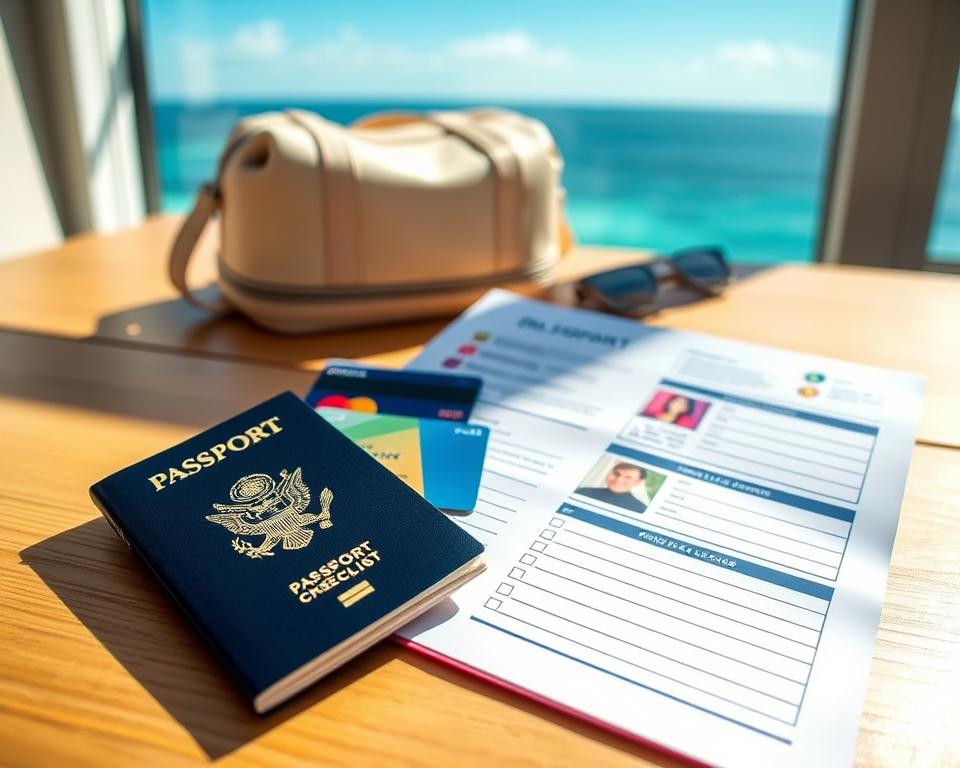
Passport, ID, visas, and boarding documents
A passport is usually required for a cruise. Some itineraries let travelers without one use an original birth certificate and government-issued photo ID, such as a driver’s license. Check your route’s rules before packing.
ADVERTISEMENT
Bring required visas, cruise tickets, and shore excursion tickets. Use this cruise passport and ID checklist to confirm each item is ready and easy to reach.
Travel insurance and emergency contact details
Pack your travel insurance papers and save a copy of the policy on your phone. Keep emergency contact details with these travel documents for quick access if plans change.
Payment cards and a small amount of cash
Bring a credit card and a small amount of local currency for tips or purchases ashore. Keep cards and cash secure, apart from your passport holder.
| Item | What to bring | Why it matters |
|---|---|---|
| Identification | Passport, or approved alternatives for your itinerary | Supports check-in and entry requirements |
| Boarding papers | Cruise ticket, required visas, excursion tickets | Keeps travel plans and access details close |
| Protection and payment | Insurance papers, emergency contacts, credit card, local cash | Helps with unexpected needs and purchases |
Build an embarkation-day carry-on
Checked bags may take a few hours to reach your stateroom. Keep key carry-on essentials nearby so you can settle in and enjoy the ship while waiting.
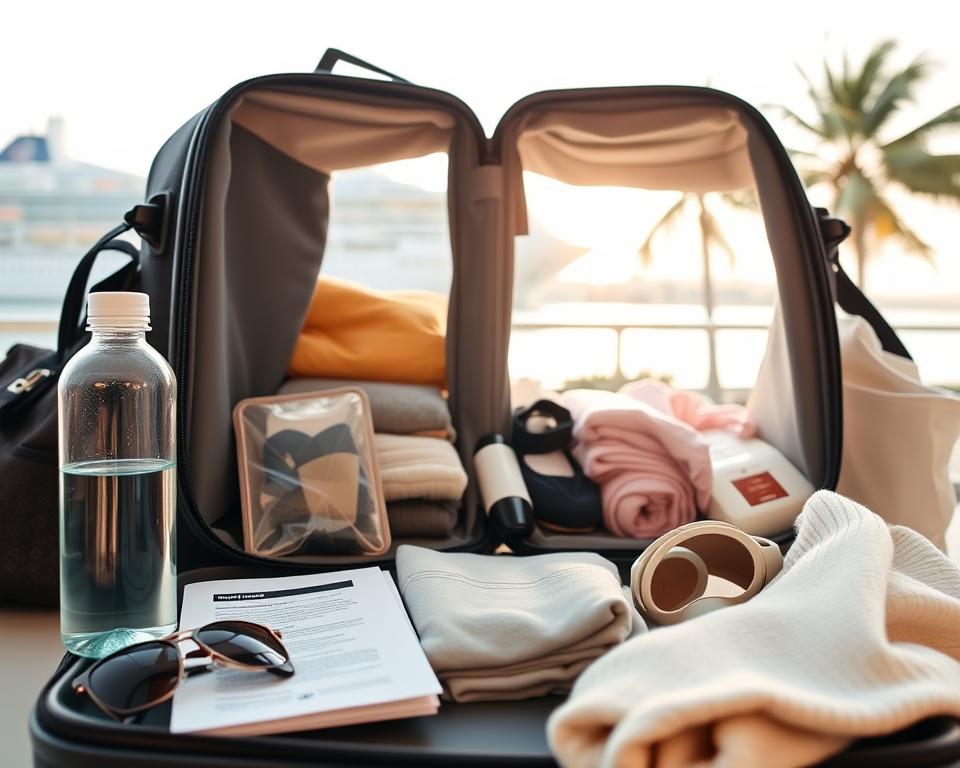
Medications, valuables, and important electronics
Pack prescription medicine, travel documents, your phone, and a portable charger in your day bag. Keep valuables with you instead of placing them in checked luggage. Add sunscreen, sunglasses, and flip-flops to your embarkation day checklist.
Swimsuit, change of clothes, and basic toiletries
Bring a swimsuit and basic toiletries if you want to use the pool before your luggage arrives. Families can pack one or two changes of clothes for each child, plus items for a quick refresh.
Reusable water bottle and travel snacks
A reusable water bottle is useful on the ship and during shore trips. Families may pack familiar snacks from home for picky eaters. These simple carry-on essentials can make your first hours on board easier.
Pack clothing for sea days, dinners, and changing weather
Plan for relaxed days, dinner plans, and changing temperatures. A few light layers help, especially on routes with frequent weather changes.
Casual outfits for the ship
Pack breathable T-shirts, shorts, sundresses, skirts, and comfortable pants. Quick-dry clothes work well for shore trips when you may get wet. A light raincoat and spare outfit can also come in handy.
Dinner clothes and formal-night options
Dinner dress codes range from casual to formal, and many evenings suit jeans, T-shirts, collared shirts, dresses, or blouses. For special dinners or photos, bring formal night attire. Choose comfortable cruise dinner outfits that fit the ship’s dress code.
Comfortable shoes, layers, and weather protection
Bring sneakers for sports, sandals or flip-flops for easy days, and dress shoes; waterproof, slip-resistant shoes help on wet decks. Pack long pants and socks for ice skating; socks also help on the Rock Climbing Wall and Zip Line. Thin layers help in chilly air conditioning and changeable Alaska weather.
| Plan | Useful clothing | Best for |
|---|---|---|
| Sea days | Breathable tops, shorts, and sandals | Relaxing around the ship |
| Shore excursions | Quick-dry clothes, spare outfit, and raincoat | Wet or changing conditions |
| Dinner | Smart casual clothes or formal night attire | Dining rooms and special photos |
| Activities | Sneakers, long pants, and socks | Sports, skating, climbing, and zip lining |
Choose toiletries, medications, and health supplies
A few health and care items can make days at sea more comfortable. Pack products you use often, plus supplies for sun, small cuts, or an upset stomach.
Personal-care products and sun protection
Bring a hairbrush, deodorant, toothbrush, hand sanitizer, and wipes. Pack high-SPF reef-safe sunscreen for pools and shore stops. Add aloe vera or after-sun lotion.
If you fly to the cruise port, put sunscreen and other liquids in checked luggage. This helps you avoid airport liquid limits. Keep needed flight items in a travel-size container.
Prescription medications and seasickness remedies
Keep prescription medications in their original containers, and pack enough for the full trip plus a few extra days. Add basic first-aid supplies, such as bandages and pain relief.
Motion sickness remedies include tablets, acupressure bands, patches, and less-drowsy Dramamine. If car rides often make you sick, ask your doctor about prescription seasickness medicine before traveling.
| Item | Why to pack it | Helpful tip |
|---|---|---|
| Reef-safe sunscreen | Helps protect skin during time outdoors | Choose a high-SPF option and reapply as directed |
| Aloe vera or after-sun lotion | Soothes skin after sun exposure | Keep it with your personal-care products |
| Prescription medication | Supports your regular health routine | Carry it in its original container |
| Motion sickness remedies | May help ease queasiness at sea | Ask your doctor which option suits you |
| Bandages and pain relief | Useful for minor cuts and aches | Pack a small first-aid supply |
Add practical essentials for your cruise cabin
Good cabin organization makes every item easy to find. Store suitcases under the bed, and keep daily essentials in drawers or the closet.
Packing cubes, laundry bags, and a foldable tote
Packing cubes sort clothes, while different colors can mark each family member’s gear. A pop-up laundry basket and travel detergent simplify sink washing. Pack a foldable tote for carrying laundry or extra items around the ship.
Over-the-door storage and other space-saving items
A door-hanging organizer adds space for toiletries and small items. Heavy-duty magnetic hooks and clips can hold hats, bags, lanyards, swimsuits, and notes on many cabin walls and doors. These compact tools improve cruise cabin storage without using drawer space.
Sleep and comfort items worth bringing
Bring a sleep mask, earplugs, or a small USB fan for a more restful night. LED tealights can provide gentle nightlights. A travel clothesline helps air-dry hand-washed items, and wrinkle-release spray is useful because irons are usually not allowed in staterooms.
Bring the right electronics without overpacking
A few well-chosen cruise electronics keep you connected and entertained without filling your bag. Pack daily devices with their cords and needed accessories.
Phone, chargers, and travel adapters
Bring your phone, charging cords, and a portable charger for long days off the ship. Royal Caribbean allows portable chargers but bans multi-outlet power bars. Check your cruise line’s rules before packing.
Check your ship’s outlet details before leaving. Many ships have North American and European-style outlets, so pack a travel adapter for different plugs. Keep cords and small devices together in an electronics bag.
Camera, headphones, and offline entertainment
A camera or GoPro can capture days at sea and ashore. Earphones or earbuds help with music, podcasts, and quiet cabin time.
Download books, shows, or playlists before boarding because internet access may cost extra. A paperback or e-reader offers an easy way to relax during downtime.
Prepare for pools, shore excursions, and beach stops
Plan ahead to move easily from the pool to a port-day outing. Pack swimwear and a cover-up for pools, hot tubs, beaches, and waterparks. Add flip-flops or water shoes for wet decks and sandy paths.
Swimwear, cover-ups, and waterproof storage
Pack a dry bag to protect your phone, wallet, and dry clothes from splashes. It can hold a wet swimsuit or towel on your trip back to the ship. For religious sites in Italy, Greece, Turkey, Egypt, or Israel, pack light scarves or shawls, longer pants, or midi skirts.
Walking gear, day bags, and excursion essentials
Choose sneakers for active outings. Waterproof, slip-resistant shoes work well for beaches, snorkeling, and cenote swims. A day bag can carry sunscreen, a light jacket, a reusable bag, a small umbrella, and a portable charger.
Binoculars may help you spot whales, dolphins, jellyfish, or birds. These useful picks make beach and port-day packing easier and keep your shore excursion gear ready for changing plans.
Check cruise line rules before you close your bags
A quick review can prevent delays at the port or an item being held by security. Cruise line packing rules vary, so check your line’s current policy before packing.
Prohibited appliances, weapons, and restricted items
Leave weapons and banned items at home. Many ships restrict appliances that could cause fires. Royal Caribbean, for example, bans multi-outlet power bars and does not provide irons in staterooms. Check cruise line baggage limits and rules for approved chargers, outlets, and adapters.
Alcohol, beverages, and other line-specific limits
Some cruise lines let guests bring limited alcohol or other drinks, but rules and amounts vary. Check your line’s policy before packing bottles. You may pay a corkage fee if you bring your own wine to dinner.
Do one final luggage check before leaving home
Use your embarkation day checklist to confirm passports, IDs, visas, cruise tickets, and shore excursion tickets are packed. Keep passports together in a holder, and place first-day essentials in a tote or day bag. Checked bags may not reach your stateroom right away.
Make sure your clothes fit the itinerary, including formal dinners and visits to religious sites. Add layers or rain gear if the forecast predicts changing weather.
For your final cruise packing check, confirm you have medications, motion sickness aids, sunscreen, chargers, adapters, and excursion gear. Before leaving, review your cruise line’s rules for baggage, alcohol, appliances, and electrical outlets.




