
ADVERTISEMENT
In 2023, 37% of U.S. adults said they could not cover a $400 emergency with cash or its equivalent. A small savings cushion can help you handle surprises without using a credit card or loan.
An automatic savings plan for beginners can start with one small transfer on payday. It builds a savings habit without requiring a big income or perfect budget. The idea is simple: pay yourself first, then use what remains for bills and other needs.
Key Takeaways
- Start with an amount that fits your budget.
- Schedule a transfer for payday.
- Keep savings separate from everyday spending.
- Build a cushion for unexpected expenses.
- Increase your transfer when you can.
See how automatic savings moves money without extra effort
With automatic savings, your bank or credit union moves money from checking to savings on a schedule. You pick the amount, timing, and destination. These recurring bank transfers help you save before spending.

Some employers let you send part of each paycheck directly to savings. Banks may offer round-ups, too: Each purchase rounds up to the next dollar, moving the difference to savings. Both choices can make savings contributions steadier with little effort.
ADVERTISEMENT
Start with one specific savings goal
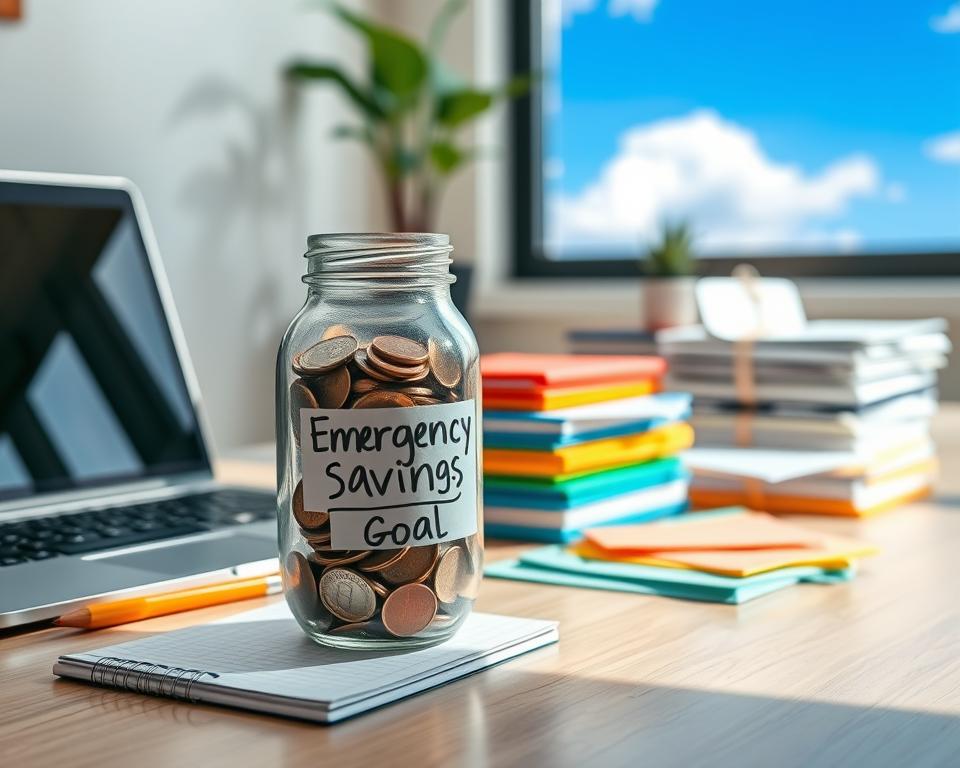
An emergency savings goal helps you choose an amount and set a date. Start with a cash cushion for surprise costs or a planned expense soon.
Build a starter emergency fund
An emergency fund can help cover an unexpected car repair, medical bill, home repair, or loss of income. A first milestone of $250 to $500 offers a useful start. As your budget allows, work toward $500 to $1,000.
Over time, many people aim to save three to six months of typical expenses. Some choose three to nine months. Small, steady emergency fund contributions support your emergency savings goal without straining your budget.
Save for a known upcoming expense
Short-term savings can cover a vacation, car down payment, or another planned cost. Estimate the total price and decide when you need the money. Divide the cost by the months left to set a monthly target.
Keep planned expenses separate from emergency cash. A clear label for each goal helps you track progress and avoid spending money saved for another purpose.
| Goal | What it covers | How to set a target |
|---|---|---|
| Starter emergency fund | Unexpected bills or income gaps | Begin with $250 to $500, then build toward $500 to $1,000 |
| Longer-term emergency fund | Several months of essential expenses | Estimate typical monthly costs and choose a three-to-six-month target |
| Short-term savings | A planned cost, such as a vacation or car down payment | Divide the estimated cost by the months until payment is due |
Set an amount that fits your real budget
Start by checking what comes in and goes out each month. Track small purchases, cash tips, bills, and costs like car repairs. A spreadsheet, paper log, or budgeting app can help.
Check your bank and credit card statements to avoid missing expenses.
Compare your spending with your income, including bills due only a few times each year. Choose a fixed savings amount that covers essentials and leaves a small buffer.
Use a fixed dollar amount
A fixed savings amount is simple to plan around. Try $25 from each paycheck, or move $25 to $100 monthly from spending cuts into savings. Raise the amount when your budget allows.
Try saving a percentage of each paycheck
You can set aside a share of each check instead. Your savings rate may grow as your income rises, and a long-term goal could be up to 20 percent. Review your plan when your pay or expenses change.
Pick an account that makes saving easy
A separate savings account keeps emergency money away from daily spending. Choose an account that lets you reach cash when an urgent bill arrives.
Keep emergency savings accessible
A bank or credit union savings account can give you easy access to your funds. An FDIC-insured savings account protects eligible bank deposits up to applicable federal limits. Investments are not bank deposits, can lose value, and may take time to sell.
Compare interest rates, fees, and account access
Before choosing, check minimum balance rules, monthly fees, transfer times, and ATM access. A high-yield savings account may earn more interest than a standard account. Compound interest can grow your balance as interest earns interest, but rates and results vary.
Set up a recurring transfer through your bank
Most banks let you move money from checking to savings on a set schedule. Recurring bank transfers can make an automatic savings plan easier to follow. Choose a transfer day that matches your pay cycle and bill due dates.
Link your checking and savings accounts
In your bank’s online account or app, choose the accounts you want to connect. Check each account name and number before you continue. This helps send the money to the right place.
Confirm the amount and transfer instructions
Set the amount and frequency, such as a transfer on each payday. Review the transfer schedule before you confirm it.
Keep enough money in checking to cover bills and avoid overdraft fees. Check your account terms for withdrawal limits or transfer fees.
Send part of your paycheck straight to savings
Saving feels easier when money moves before you can spend it. Ask your employer to split each paycheck between checking and savings. This simple step helps you pay yourself first.
Use direct-deposit allocation
Choose a set dollar amount or share of each paycheck for direct deposit savings. Check your pay stub after the first deposit to confirm the split. Adjust the amount if your income or budget changes.
Choose a bank transfer if payroll cannot split your pay
Set a recurring transfer from checking to savings for your payday. Keep enough in checking for bills and daily costs.
Some employers offer automatic 401(k) contributions through payroll, and plans may include an employer match. Traditional 401(k) contributions generally happen before federal income tax is calculated; Roth contributions happen after tax. Investment earnings are generally taxed when withdrawn from a traditional account.
| Option | How it works | What to check |
|---|---|---|
| Payroll split | Part of each paycheck goes straight to savings. | Confirm the amount and destination with payroll. |
| Bank transfer | Your bank moves money after payday. | Set the date and leave enough cash for bills. |
| 401(k) contribution | A portion of pay goes into a workplace retirement account. | Review tax treatment, investment choices, and any employer match. |
Schedule transfers after your essential bills
Track when your paycheck arrives and when rent, utilities, and card payments leave your account. This cash flow view shows when you can save and helps prevent a shortfall before your next paycheck.
Set transfers for the day after key bill due dates, rather than right after payday. Ask your landlord, utility provider, or card issuer about moving a due date to match your pay schedule. Review your budget monthly, then adjust the automatic savings timing when your income or costs change.
Add guardrails against overdrafts
An automatic transfer can cause an overdraft fee when your checking balance is too low. Simple safeguards help you save while protecting money set aside for bills.
Leave a buffer in your checking account
Keep a checking account buffer for regular bills and surprise costs. Check your balance before each scheduled transfer, and set a calendar reminder if useful. Overdraft protection may cover some transactions, but bank fees and rules vary.
Turn on low-balance and transfer alerts
Enable low-balance alerts and notices for completed or missed transfers. These updates can help you spot a shortfall before more payments arrive. Set the alert above the amount needed for upcoming bills.
Pause or change transfers when your income changes
If your pay or expenses change, lower the transfer amount or move its date. When income varies, track cash flow to know when money is safe to save.
| Safeguard | What to do | Why it helps |
|---|---|---|
| Checking buffer | Keep funds for bills and surprise costs | Reduces the chance a transfer leaves too little cash |
| Account alerts | Set balance and transfer notifications | Flags low funds or a missed transfer |
| Flexible schedule | Adjust the amount or date when cash flow changes | Keeps savings on track without straining your budget |
Automate separate funds for irregular expenses
Some costs arrive each year, not each month. Automatic transfers can build sinking funds for irregular expenses, making these bills feel less surprising.
Save for annual bills and planned purchases
List costs such as car maintenance, insurance premiums, and holiday gifts in your budget. Add each yearly estimate, divide it by 12, and save that amount each month. These sinking funds prepare you for expenses you can plan ahead.
Keep short-term goals in separate savings buckets
Use separate accounts or labeled savings buckets for a vacation, car purchase, or emergency fund. One savings account is a fine place to start; track separate savings goals so the money stays clear. Short-term needs and long-term priorities, such as retirement, may need different plans.
| Goal | Example | Simple saving approach |
|---|---|---|
| Annual cost | Car maintenance | Set aside a monthly amount based on expected yearly costs. |
| Planned purchase | Vacation or car | Choose a target amount and save on a regular schedule. |
| Long-term priority | Retirement | Use a suitable retirement account and steady contributions. |
Start with one manageable transfer this payday
Choose an amount that fits your budget, and schedule the transfer for payday. This small first step can make an automatic savings plan for beginners easier to maintain.
Let the transfer run for 30 days before deciding whether to change it. Check your balance each week and review your budget monthly. This helps you track payday savings and spot strain early.
When your income allows, raise the amount a little. You can also add part of a tax refund or gift, or save money from a spending cut. These consistent contributions can help your savings grow over time.




