
ADVERTISEMENT
One traveler spent $650, excluding flights, during a 15-day trip to Tokyo, Kyoto, and Osaka. This example does not guarantee your cost, but it shows how planning can stretch money in Japan.
This budget travel itinerary for Japan offers a practical start for an affordable Japan trip. Past reports list hostel beds at $15–$25 a night and supermarket meals at $10–$15 a day. Prices change, so use these figures as guides for your Japan travel budget.
Key Takeaways
- Plan your budget before booking flights and lodging.
- Hostels and supermarket meals can help lower daily costs.
- Past traveler budgets are useful examples, not guaranteed prices.
- Exchange rates and travel costs can change over time.
- A thoughtful route can help you see more without overspending.
Set a realistic budget for this 10-day Japan itinerary
Your Japan trip cost depends on your travel dates, room choices, and daily plans. First, list major expenses, then set a daily spending allowance for meals, local rides, and small purchases.
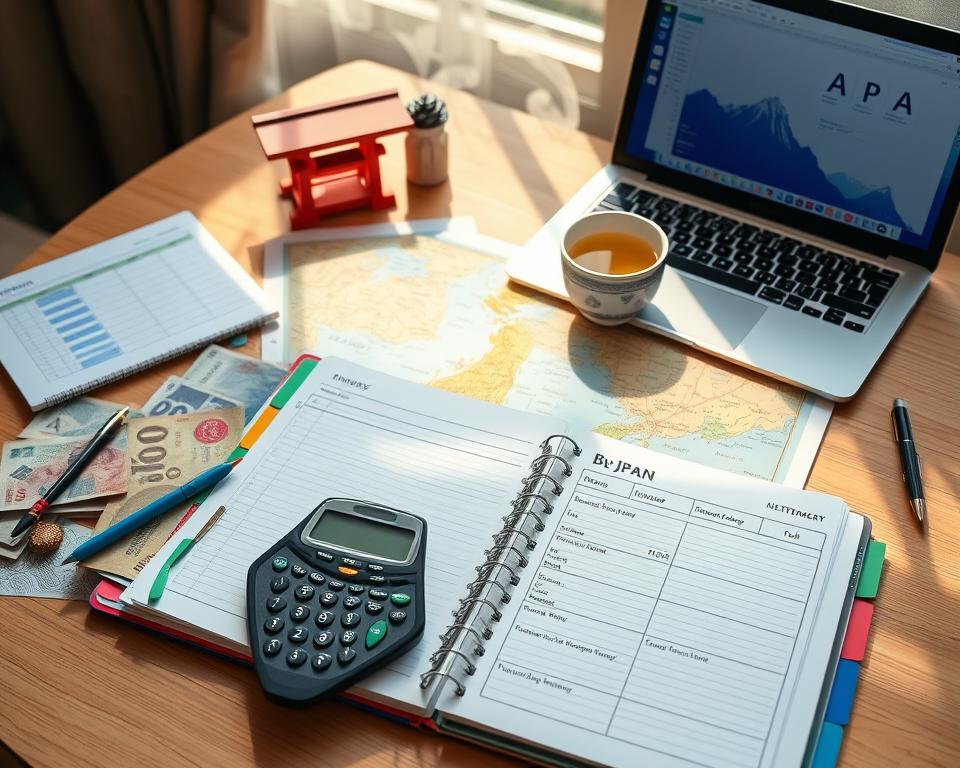
Account for flights, lodging, food, transportation, and activities
List airfare, lodging, meals, transportation, and paid attractions as separate costs. Older estimates put a backpacker’s one-week budget at $600–$900, with hostels costing $15–$25 nightly. Supermarket meals cost $10–$15 daily; another traveler spent $650, excluding flights, across 15 days in Tokyo, Kyoto, and Osaka.
ADVERTISEMENT
These figures reflect their publication periods, not current prices. One source used an exchange rate of about ¥1,000 to $6–$7. Check rates and prices before you go; these estimates do not provide a full current total for a 10-day trip.
Choose where to spend and where to save
Spend on what matters most, such as a well-located room or special meal. Save with hostels, supermarket food, and free sights. This budget planning leaves room for a few paid activities without overspending elsewhere.
Build a daily spending buffer for unexpected costs
Set aside extra cash for a missed train, sudden rainstorm, or unplanned meal. One travel source recommends keeping ¥10,000 in emergency cash. Treat that as a past recommendation, and check your needs and current prices before departure.
Choose the best season, airports, and neighborhoods for a cheaper trip
Small choices can protect more money for meals and sightseeing. Compare flights, travel dates, and lodging before you lock in your route.
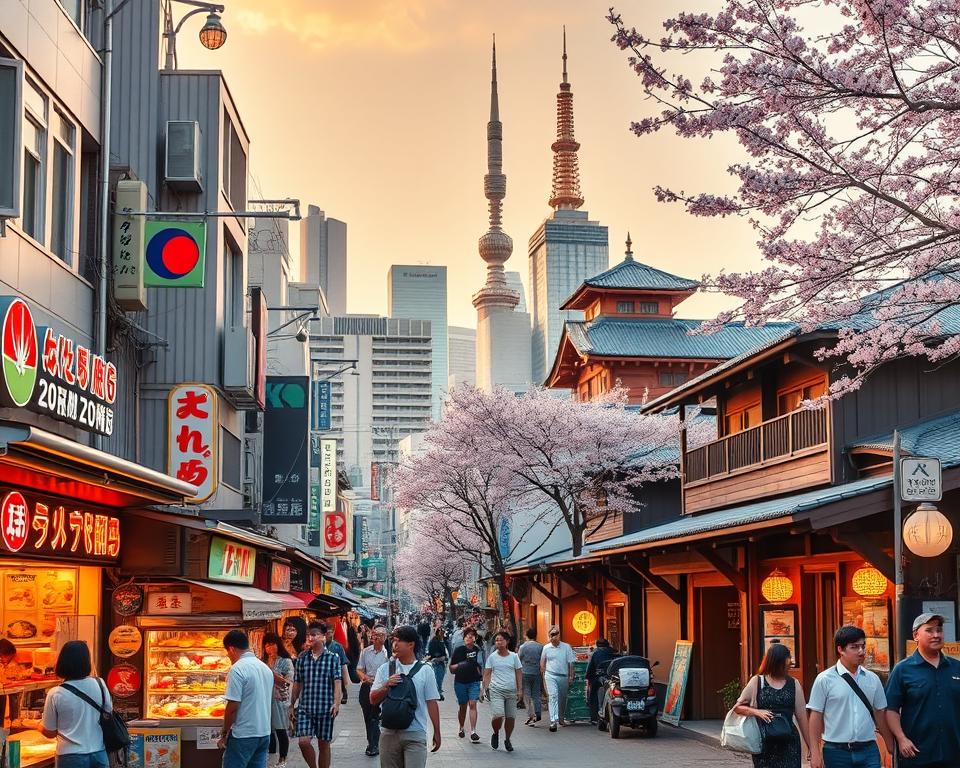
Compare Tokyo and Osaka arrival options
Check fares to Tokyo’s Haneda and Narita airports, plus Osaka’s Kansai airport. No current fare comparison shows that one city is always cheaper to fly into. Compare each option with your return flight, airport transfer, and planned regional travel routes.
JAL and ANA may offer lower domestic fares when purchased with an international ticket. Check the full price before booking. Stopovers through Istanbul or Doha have sometimes lowered fares, but savings vary. Booking three to six months ahead gives you time to compare.
Travel during lower-cost periods
For low-season Japan travel, consider November through March, but avoid the New Year holiday. One dated fare report listed January and February round-trip flights from $350, with some lodging prices cut in half. It reported savings of 30% to 50%, but prices change by year and route.
Stay near transit instead of paying for a central address
Check Tokyo and Osaka neighborhoods for easy train or subway access, not just a famous address. Reported Tokyo examples include Shibuya hostels at ¥3,000–¥4,500 per night and Asakusa guesthouses at ¥2,800–¥4,000. In Kyoto, Gion ryokans were listed at ¥5,000–¥8,000, and the area tends to cost more. Compare room prices with the time and fare needed to reach your daily stops.
Spend days 1–3 exploring Tokyo on a budget
Keep your first three days focused on nearby neighborhoods. Tokyo budget activities include temple visits, park walks, and free city views. These stops let you enjoy a lot without a packed schedule.
See Asakusa, Ueno, and Shibuya with free or low-cost stops
In Asakusa, visit Sensoji Temple, which is free to enter. Walk through Ueno Park at no cost, and check for free Sunday museum admission.
In Harajuku, Meiji Jingu Shrine is another free stop. For city views, visit either of the Tokyo Metropolitan Government Building’s free observation decks in Shinjuku.
Use neighborhood clusters to avoid wasting time and fares
Plan each day around one area, such as Asakusa and Ueno, or Harajuku and Shibuya. Shimokitazawa, Yanaka, and Harajuku are easy to explore on foot, with shops and sights along the streets. This plan can limit public transit fares and leave more time for wandering.
Choose affordable Tokyo meals and evening activities
You can buy convenience store meals from 7-Eleven for about ¥300–¥600, or roughly $2–$4. Yoshinoya serves gyudon with miso soup for about ¥500. For a simple evening, browse a lively neighborhood or enjoy Shinjuku’s free view.
| Stop | What to do | Budget note |
|---|---|---|
| Asakusa | Visit Sensoji Temple | Free entry |
| Ueno | Walk through Ueno Park | Park entry is free |
| Harajuku | Explore Meiji Jingu Shrine | Free entry |
| Shinjuku | See the city from the Tokyo Metropolitan Government Building | Two free observation decks |
| 7-Eleven | Pick up prepared food | About ¥300–¥600 per meal |
Use days 4–6 for Kyoto temples and a Nara day trip
Plan these three days around nearby sights to save time and transit costs. A flexible Kyoto and Nara itinerary can combine free walks with a few paid stops.
Travel from Tokyo to Kyoto without overspending
For Tokyo-to-Kyoto travel, a highway bus can cost about ¥3,000–¥5,000 one way. A Willer Express ride has been listed from ¥3,500 and takes about eight hours.
The shinkansen is much faster, but reported round-trip fares are roughly ¥26,000–¥27,000. Prices vary by date and source period.
Group Kyoto sights by area
Spend one day in eastern Kyoto, then visit Fushimi Inari Shrine another day. Its torii gates and trails are free to explore, and the shrine is open all day.
Ryoan-ji’s Zen garden is another worthwhile stop. Check current temple admission fees before you go because costs vary.
For a low-cost cultural break, some Kyoto temple tea ceremonies cost about ¥800 and include a tasting with an explanation.
Visit Nara independently and return to Kyoto the same day
Use day six for Nara Park and its surrounding sights. Deer roam freely in public areas, so you can enjoy a walk without buying an attraction ticket. Bicycle rentals are reported at about ¥500–¥1,000 per day.
Check local transit schedules for your travel date, and leave time to return to Kyoto that evening.
Finish days 7–10 in Osaka with a flexible day trip
Use Osaka as your base for the trip’s final stretch. See a few city sights, then keep one day open for a nearby destination. This Osaka budget travel plan leaves time to rest or explore.
Explore Osaka Castle, Dotonbori, and Shinsekai
Walk through the park around Osaka Castle, then visit Dotonbori’s bright signs and lively streets. In Shinsekai, browse old-style shops and food stalls. Takoyaki makes a handy snack, with vendors selling about eight pieces for ¥500.
Decide between a day trip to Himeji, Kobe, or Hiroshima
Choose Himeji for its famous castle, Kobe for a change of pace, or Hiroshima for a longer outing. Compare routes and travel times before deciding. Your schedule and interests should guide you because these regional day trips take different amounts of time.
Fly home from Osaka or return to Tokyo
Compare flights from Osaka with the cost and time of traveling back to Tokyo. Consider the full journey, not only the airfare. If you have bulky bags, a luggage forwarding service may help; check its price and delivery details before booking.
Get between cities without paying for unnecessary train rides
On this Tokyo, Kyoto, and Osaka route, compare each long ride’s cost before buying a pass. A bus may take longer, but it leaves more money for meals and sights.
Compare regular trains, highway buses, and regional passes
Highway buses from Tokyo to Osaka cost about ¥3,000 to ¥5,000. Tokyo to Kyoto fares start near ¥3,500 one way. Check travel times and luggage rules before booking; trains are faster, but buses suit flexible schedules.
Regional rail passes may suit trips covering more ground. Check each pass’s covered lines and services, because operators have different rules.
Know when a nationwide rail pass does not pay off
A Japan rail pass covers many JR trains, including most shinkansen services, but excludes the fastest Nozomi trains. Pass prices vary by date and seller, so confirm current prices and rules with the operator before travel. For a Tokyo–Kyoto–Osaka trip, add planned fares first: a Tokyo–Kyoto round trip costs about ¥27,000, so a pass may cost more.
Use IC cards and local transit for city sightseeing
Suica and PASMO cards make paying public transit fares easy on many trains, buses, and subways. You can also use them for small purchases at some shops. Tap in and out as required, and check your balance during the day.
Local trains and buses often cost less than long taxi rides. Use IC cards for city trips, and save a rail pass for days when its coverage matches your plans.
Keep accommodation costs down without losing convenience
Japan offers many ways to save on a bed without staying far from popular sights. Compare room types, transit access, and your route before booking.
Compare hostels, business hotels, and private rooms
Hostels can be a low-cost choice, with reported rates of ¥2,500–¥4,000 per night. Capsule hotel stays often cost ¥3,500–¥6,000, while ryokan rates range from ¥6,000–¥10,000. Prices vary by city, dates, and room type.
Business hotels and private rooms offer more privacy, but rates depend on the property and season. Check the full price, including fees, before comparing choices. For budget accommodation in Japan, decide whether a shared bathroom or smaller room suits your trip.
Book stays near major stations and subway lines
A lower room rate may not be a deal if it means longer rides and extra fares. Look for convenient lodging near a station on your planned route. In Tokyo, examples include hostels in Shibuya and guesthouses in Asakusa; in Osaka, capsule hotels cluster around Namba and Dotonbori.
A capsule hotel at Narita Airport has been reported at ¥4,000 per night. Some manga cafés offer overnight packages, with showers at certain locations, but they may suit only short stops.
Split nights between Kyoto and Osaka strategically
Choose where to sleep based on each day’s plans. Kyoto can make early temple visits easier, while Osaka may suit evenings around Namba or Dotonbori. Compare nightly rates and transit costs for your dates; no single price rule makes one city cheaper for every traveler.
| Stay type | Reported nightly cost | Useful detail |
|---|---|---|
| Youth hostel | ¥2,500–¥4,000 | Shibuya hostels are reported at ¥3,000–¥4,500; Asakusa guesthouses at ¥2,800–¥4,000. |
| Capsule hotel | ¥3,500–¥6,000 | Osaka options in Namba and Dotonbori are reported at ¥3,500–¥5,500. |
| Ryokan | ¥6,000–¥10,000 | Gion ryokans in Kyoto are reported at ¥5,000–¥8,000. |
| Manga café overnight package | About ¥2,500 | Some locations have showers; check the facilities before booking. |
Eat well and choose low-cost things to do
Food and sightseeing can fit a modest budget without making your trip feel limited. Mix quick meals with casual restaurants, and save room for meaningful paid experiences.
Find inexpensive meals at markets, convenience stores, and casual restaurants
Supermarket meals often cost ¥300–¥600, and convenience store meals make easy breakfasts or snacks. A ramen bowl may cost ¥600–¥900. Look for signs that say “ランチセット” or “定食” for lunch sets near ¥1,000; bento boxes can cost around ¥500.
Try street food at Tsukiji Outer Market in Tokyo or Nishiki Market in Kyoto. In Osaka, eight pieces of takoyaki cost about ¥500, while taiyaki costs ¥150–¥200.
Shokudo diners, kaitenzushi spots, izakaya, and okonomiyaki restaurants offer casual choices. Tourist areas tend to charge more. Japan’s tap water is safe to drink, so you can refill a bottle.
Prioritize temples, neighborhoods, parks, and viewpoints with low entry fees
Many memorable stops cost little or nothing, including Sensoji Temple, Meiji Jingu Shrine, and Fushimi Inari Shrine. Ueno Park and the grounds around Osaka Castle are good places to walk.
The Tokyo Metropolitan Government Building has free observation decks. Check temple admission fees before visiting, since some sites charge for gardens or special halls.
Reserve only the paid attractions that matter most to you
Choose a few paid sights that match your interests, and balance them with free Japan attractions. For a low-cost local break, try a sento public bath for about ¥400–¥500. Some local onsen facilities charge ¥400–¥600, while tourist complexes may cost ¥1,500–¥3,000.
| Option | Typical cost | Good for |
|---|---|---|
| Supermarket meal | ¥300–¥600 | Quick, low-cost meals |
| Ramen | ¥600–¥900 | A filling casual meal |
| Osaka takoyaki | About ¥500 for eight pieces | A snack while exploring |
| Free viewpoints and parks | No entry fee | Easy sightseeing between paid stops |
| Local sento or onsen | About ¥400–¥600 | A low-cost bathing break |
Adjust the route to match your budget and travel style
You don’t have to stick to Tokyo, Kyoto, and Osaka. For regional travel routes, consider Takayama from Nagoya, about 2 hours and 20 minutes away. Oarai from Tokyo takes about 90 minutes.
Reported fares are ¥3,000 to Takayama and ¥1,200 to Oarai; check current prices before you go.
For a flexible Japan itinerary, add Kanazawa and Shirakawa-go, or consider a Japan Bus Lines pass. It comes in three-, five-, and seven-day options. Travel days can be nonconsecutive within one month.
Shirakawa-go is about an hour from Kanazawa, with a reported ¥1,800 round-trip fare. A local minshuku has been listed at ¥4,500 a night with meals included, though rates can change.
If you have more time, ferries offer a slower long-distance option. Some travelers on working holidays take resort jobs with lower-cost lodging and meals. Examples include seasonal work at a Sapporo ski resort.
Check visa rules and job terms before making plans.
Keep extra spending in check with simple budget travel options. Daiso and Seria sell useful souvenirs, from chopsticks and fans to snacks and toiletries. Japanese-flavor KitKats have been reported at ¥200–¥300, while tea packets may cost ¥1,000–¥2,000.
Choose the route and extras that fit your time. Leave room in your budget for prices to shift.




