
ADVERTISEMENT
A three-week trip and a three-month trip may need the same amount of clothing. A smart carry on packing list for Europe uses pieces you can wear more than once. This makes airports, trains, and hotels easier to manage with less luggage.
One travel expert limits personal luggage to 20 pounds in a 9 × 21 × 14-inch carry-on, plus a small day pack. This is a useful goal, not a universal airline rule. Check your airline’s size and weight limits before you fly.
When you pack light for Europe, you can keep your bag close and may avoid checked-bag or overweight fees. Fees and baggage rules vary by airline and flight. This guide helps you plan one-bag travel without leaving useful items behind.
Key Takeaways
- Pack a small set of clothes that work together.
- Use 20 pounds as a personal packing goal, not a rule.
- Check airline baggage limits before your trip.
- A carry-on can make airport and train changes easier.
- Pack for the trip, not for every “what if.”
Choose a carry-on that fits European airline and train travel
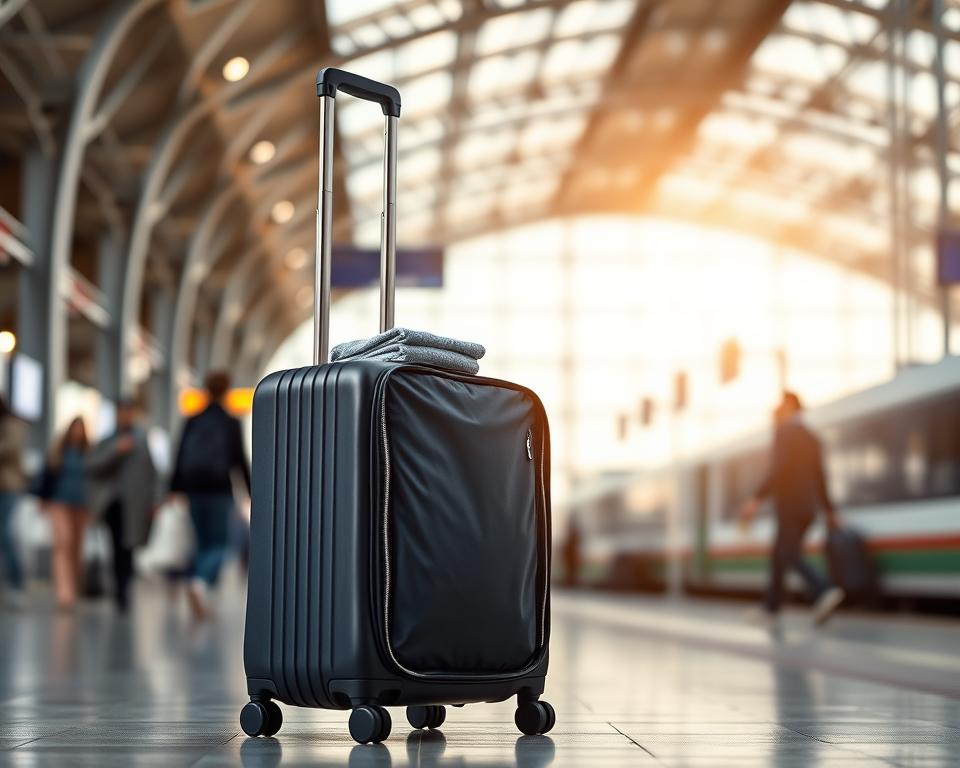
A 9 × 21 × 14-inch bag may fit an overhead bin on some transatlantic flights. However, some European airlines allow smaller bags. Check the carry-on size for Europe on every flight, including connections.
ADVERTISEMENT
Review airline baggage weight limits, size rules, and fees before packing. Some carriers charge for carry-ons or checked bags, while overweight luggage may cost extra. Train trips may have different luggage rules, so check those too.
Pack for the strictest limit on your route. A carry-on keeps your things close during delays or flight changes. It also makes moving through the airport easier after landing.
Keep passports, money, and travel documents within reach
Keep your passport, driver’s license, required visas, and key records in your carry-on, not checked luggage. These personal item essentials stay easy to reach at airports and safer during flights or train rides.
Use secure passport and travel document storage, like a zipped pouch inside your bag. Include insurance contact details, copies or scans of key documents, and passport-style photos. Printed flight, hotel, train, and rental car reservations help when your phone lacks signal or battery power.
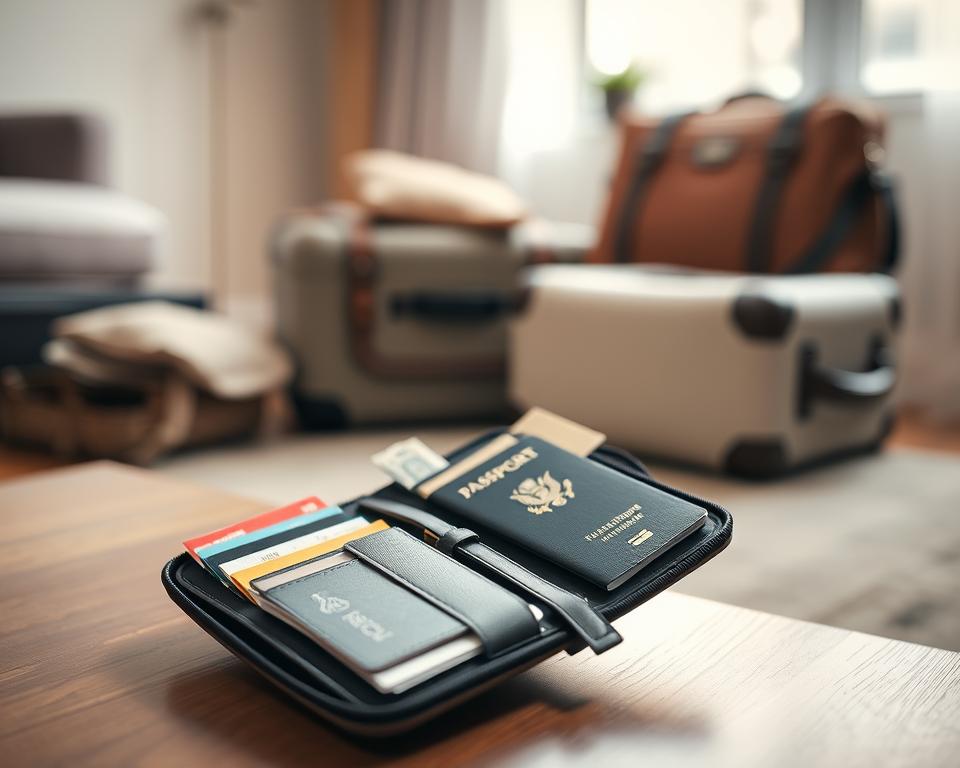
Carry a debit card, a credit card, and some emergency U.S. cash. A flat, hidden money belt can hold valuables under your clothes. A small day pack holds a sweater, camera, guidebook, and picnic food.
| Item | Why to carry it | Where to keep it |
|---|---|---|
| Passport, license, and required visas | Needed for travel and identity checks | Secure pouch in your carry-on |
| Insurance details and document copies | Useful if an original is lost or stolen | Separate pouch or a secure digital copy |
| Printed reservations | Provide backup access without a working phone | Carry-on document pocket |
| Debit card, credit card, and U.S. cash | Give you more than one way to pay | Separate secure pockets |
| Sweater, camera, guidebook, and picnic food | Keep day-trip items ready to use | Small day pack |
Build a lightweight clothing capsule for changing weather
For easy capsule wardrobe planning, choose neutral colors and pieces that create more than one outfit. For a two-week trip, start with five tops, four bottoms, three layers, and one extra item, such as a swimsuit.
Pack versatile tops, bottoms, and layers
Bring short- and long-sleeved shirts. Long sleeves that roll up work both ways, while wrinkle-resistant travel clothing with subtle patterns hides creases. Coolmax and microfiber blends often dry overnight.
Try lightweight cotton pants, a skirt, or a second pair of light pants. Your lightest jeans can work, but heavy denim feels hot in summer and dries more slowly. Convertible pants offer church coverage in southern Europe; zippered or buttoned pockets help, but money belts protect better.
Add underwear, sleepwear, and laundry supplies
Choose socks made from merino wool, bamboo, or a cotton-nylon blend; they dry faster than 100 percent cotton. Merino pairs can often be worn again after airing out. Double-layer socks may help prevent blisters.
Pack one or two pairs of pajamas, based on your room and routine. Lightweight athletic clothes work for sleep, lounging, or a cover-up. A laundry bag, travel detergent, and small clothesline make sink washing easier; hotel shampoo works in a pinch.
Prepare for rain, cold, and warm days
Lightweight travel layers help you adjust from cool mornings to warm afternoons. Choose a light-colored layer for sunny weather and a compact option that shields you from wind or rain. Shorts can double as swimwear for a lake or seaside stop.
Limit shoes to the pairs you will actually wear
Choose comfortable walking shoes for Europe with good traction. Sturdy, low-profile sneakers work well on city streets. Ecco, Mephisto, and Rieker make dressier styles built for comfort.
Break in every pair before your trip to help prevent sore feet.
For a two-week trip, wear New Balance sneakers and pack sandals. Lightweight travel shoes save space, but they must suit your plans. Add waterproof shoes for rainy or cold weather, or lightweight flats if room allows.
Flip-flops are useful in shared bathrooms.
Wear your heaviest pair on the flight to free bag space. Keep shoe choices practical, and skip pairs that match only one outfit.
Pack a compact toiletry kit that meets liquid rules
Use travel-size toiletries for the liquids you need on arrival. At U.S. airport screening, carry-on liquids usually need one quart-size bag. Each container must hold 3.4 ounces (100 milliliters) or less. Check current rules before you fly, since screening requirements can vary.
A TSA-compliant liquids bag keeps bottles together and easy to remove at security. Seal squeeze bottles in small plastic bags to help prevent leaks as cabin pressure changes. A hanging toiletry kit can save counter space in a small hotel bathroom.
Pack only what you need for the first few days. Soap, toothpaste, skin cream, and razors are easy to find in Europe.
Bring items you rely on, including sunscreen, deodorant, a brush or comb, and a razor. If you wear contacts, include a case and solution. Keep essential prescription medication with you.
| Pack | Keep in mind |
|---|---|
| Shampoo and conditioner | Choose small bottles or solid bars. |
| Toothpaste, floss, and deodorant | Bring compact sizes for the trip. |
| Sunscreen and moisturizer | Use travel-size containers for liquids and creams. |
| Contact lens solution and prescription medication | Keep essential items easy to reach. |
| Makeup remover and laundry detergent sheets | Pack only what you expect to use. |
Bring the electronics and adapters Europe requires
Pack a plug adapter for each device, including phones and laptops, that you plan to use. A universal power adapter may support several plug types, but check its ports and wattage before leaving. Hair tools may need a voltage converter, so check their labels and use them abroad only when they are dual-voltage.
Keep European travel electronics simple: bring your phone, charger, USB-C cables, and a flat plug. Your phone can be a camera, alarm, flashlight, GPS, and travel guide; AirTags can track a suitcase or personal item. Pack a power bank, charge it overnight, and bring headphones for flights or audio tours.
If you bring a camera, pack its charger, an extra battery, and a memory card. A tablet or laptop is optional, but download maps, apps, books, and music on Wi-Fi before departure. Device chargers and cables are easy to mix up, so keep them together in a small pouch.
| Item | Why to pack it | Quick check |
|---|---|---|
| Plug adapter | Connects your plugs to local outlets | Bring enough ports for your devices |
| Power bank | Keeps your phone charged on the go | Charge it overnight |
| Camera kit | Supports a separate camera | Pack its charger, spare battery, and memory card |
| Headphones | Useful for flights and audio tours | Charge wireless models before travel |
Add health, safety, and in-transit comfort essentials
Keep prescription medicine in your carry-on and its original container when possible. Bring prescription details and any health papers you may need. A small first-aid kit can hold bandages, blister patches, and basic medicine, such as ibuprofen or Pepto-Bismol tablets.
Pack sunglasses in a hard case, and bring spare glasses if you wear contacts. Hand sanitizer, tissues, face masks, and earplugs are useful personal item essentials for busy airports and long rides.
For the flight, consider headphones, an eye mask, a scarf, compression socks, and a travel pillow. Add snacks, fresh socks, or a clean T-shirt for longer trips. Keep your refillable water bottle empty at airport security, then fill it after screening.
A small day bag can carry what you need while sightseeing. Choose travel health and comfort items that suit your plans, and keep the most useful ones close at hand.
Adjust the list for city trips, beaches, and outdoor travel
Let your route and the forecast guide Europe travel packing by season. For city days, pack a light sweater or cardigan for cool museums and a hooded, water-resistant windbreaker. Bring a small umbrella when steady rain is expected.
On a two-week trip through Budapest, Austria’s Wachau Valley, Czechia, and Prague, pack swimwear for pools, lakes, or the sea. Shorts may double as swimwear. For cool weather, add warm layers, long underwear, gloves, a hat, extra socks, and underwear; laundry dries slowly.
Choose beach and outdoor travel essentials with care. A sun hat and scarf help, while heavier waterproof shoes can be worn on the plane. Rent or buy bulky activity gear in Europe if you will use it for only part of the trip.
Fit everything into your carry-on without overpacking
Lay out your essentials, then remove items you may not use enough to justify carrying. Choose light layers instead of a bulky coat, and skip extra shoes or a heavy parka. You could buy a parka in Europe if needed.
Use compression packing cubes to group clothing. Mesh bags can hold socks, underwear, and items like earplugs, a sewing kit, or chargers. Try a folding board like Eagle Creek’s Pack-It Folder; these carry-on packing techniques keep shirts neat and help find things.
Leave room for souvenirs, or pack a lightweight fold-up tote. Before your trip, carry the packed bag around your home or take it on a short walk. If it feels uncomfortable, remove a few items.
Run this final checklist before leaving for Europe
Check the size, weight, and fees for your carry-on and personal item on every flight, including short European routes. Keep your passport, payment cards, insurance details, and booking backups close at hand.
Before you zip your bag, confirm that you packed needed medication, prescriptions, chargers, and adapters. Place liquids in a clear, leak-safe bag, then review your clothes, shoes, toiletries, and electronics. Leave behind anything you can easily buy on the trip.
Use this final Europe travel checklist to make room for souvenirs, or pack a light fold-up bag for the return. Walk around with your packed carry-on before you go. If it feels uncomfortable, remove a few items from your carry on packing list for Europe.




