
ADVERTISEMENT
An interview is more than a review of your resume. It lets you show how your skills, experiences, and goals fit the job, even as a newcomer.
Strong job interview answers for beginners add context to a resume. They help employers see what you can bring to the role. With interview preparation, you can explain your value clearly and naturally.
These entry-level interview tips help you prepare for common questions. They can also build confidence when you have limited experience.
Key Takeaways
- Use interview answers to connect your experience with the job.
- School, volunteer work, and personal projects can show useful skills.
- Prepare key points, but keep your answers natural.
- Focus on what you learned and how you can contribute.
- Practice can help you feel calmer and speak with confidence.
How should beginners structure a strong interview answer?
A clear job interview answer structure helps you share your skills without rambling. Start with a brief point, support it with a real example, and explain its value for the role.
ADVERTISEMENT
Use the STAR method for experience-based questions
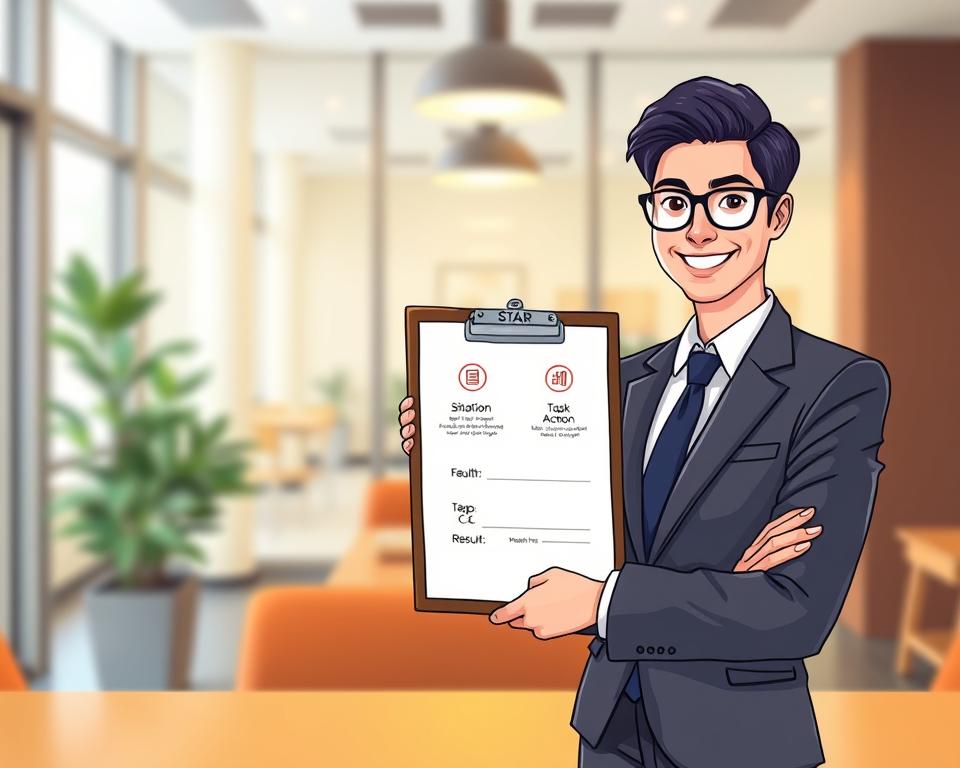
For prompts like “Tell me about a time,” use the STAR method: Situation, Task, Action, and Result. Set the scene, describe your goal, explain your actions, and share the outcome. Add numbers when you can.
Build a story bank with five to eight examples from work, school, or volunteer activities. Choose stories that show teamwork, problem-solving, or initiative. Practice in your own words instead of memorizing a script.
Connect your answer to the job
Choose behavioral interview examples that match skills in the job posting. A customer service story may show patience, while a class project can highlight teamwork. Make the link clear by naming the skill and explaining how it could help in the role.
Keep your response focused and conversational
Answer the question directly, and keep each story to a few key details. A calm, natural tone helps the interviewer follow your point. Pause before speaking if you need time to choose the best example.
How do you answer “Tell me about yourself”?
Use this opening question to make a focused first impression and connect your background to the job. A strong tell me about yourself response shows role-fitting qualities through examples from school, volunteer work, or past jobs. Skip a full timeline of every position you’ve held.
Keep your answer to two to four minutes. Name the position you’re applying for, share one or two relevant strengths, and explain what draws you to the work. This simple structure can make an interview introduction feel natural, even with limited experience.
Prepare before you arrive. Put your phone away while you wait, smile, offer a firm handshake, and say your full name with confidence. Make regular eye contact.
After the interviewer introduces themselves, say, “It’s nice to meet you,” using their name.
Clear, specific details make entry-level interview answers more memorable. Practice aloud, but do not memorize every word; a conversational tone helps you sound genuine.

How do you answer “Why do you want this job”?
Explain what attracts you to the role, then connect it to a skill, experience, or interest you offer. For strong job interview answers for beginners, name a task, organization, or industry that truly interests you.
If asked where you see yourself in five years, share career goals that match the position. You might build a skill, earn a useful certification, or accept more responsibility while showing enthusiasm and willingness to learn. Make clear that you value the job itself, not just using it as a stepping stone.
Practice a short answer to “why do you want this job,” but keep it natural. Connect your plans to the role and the organization’s work.
What should you say when asked what you know about the company?
Show that you understand what the company does and why its work interests you. Use company research for interviews to learn about its products or services, business model, mission, and values. Focus on details that connect to your goals or experience.
Check the company website, especially its “About Us” page. Social media and LinkedIn posts can show its work and culture. Glassdoor reviews may offer employee views, but reviews can vary.
During interview preparation, choose one or two useful details to mention. Explain why they matter to you, then connect them to a skill or work style. For example, connect the company’s focus on customer service to your experience solving customer problems.
Good employer research can help you create a clear, specific answer. It can guide your response when the interviewer asks what you know about the company. It can also help you explain how you could contribute.
| Research source | What to look for | How to use it in your answer | Company website | Products, services, mission, and values | Connect the company’s work to your interests or goals | LinkedIn and social media | Recent projects, employee posts, and community programs | Mention a current effort that appeals to you | Glassdoor | Employee views on workplace culture | Note themes that match your preferred work style |
|---|
How do you describe your greatest strengths?
Choose one or two entry-level strengths that fit the job. Support each strength with a short example, not a list of traits. Explain what you did and how it helped.
For example, a caregiver might manage appointments, track records, and stay calm during emergencies. These tasks show organization and problem-solving. Share how your actions kept care on schedule or helped professionals find needed details.
Your strengths interview answer can use school, volunteer work, part-time jobs, military service, or caregiving. Choose transferable skills that match the role, such as clear communication or adapting to change. End with the result your effort achieved.
How do you answer the question about your biggest weakness?
Choose a real challenge that will not stop you from doing the job. A strong weakness interview response shows self-awareness and a clear improvement plan. Do not claim you have no weaknesses or present a strength as a flaw.
If you struggle to accept criticism, explain how you ask for specific feedback. Describe how you use that feedback to improve your work. If presentations make you nervous, explain how practice helps build your confidence.
The strengths and weaknesses interview question lets you show how you learn. Mention steps such as practice, a new approach, or professional development. Keep your answer focused on what you are changing.
Why should an employer hire you without much experience?
Focus on the skills, values, and effort you can offer. To answer “what can you bring to the company,” learn what the role needs. Then connect those needs to a real example from school, volunteering, caregiving, or community work.
Share the action you took and what changed as a result. These examples show transferable experience, even if you have not held a similar job. Keep your entry-level interview answers honest: describe what you have done, not only what you hope to do.
How can you answer behavioral questions without work experience?
Behavioral questions ask how you handled a real situation. Your example can come from school, volunteering, or another activity, not only paid work. Use the STAR method to explain the situation, your actions, and the result. Add what you learned.
Use examples from school or class projects
Think of a group project, a hard assignment, or a time you took initiative. Explain the challenge, your actions, and how they helped. A practical idea that saved time or improved a project can make a strong example.
Draw on volunteer work, sports, or community activities
Volunteer shifts, team sports, and community events can show communication, problem-solving, or support for others. Choose behavioral interview examples that match the question’s skill. Clearly explain your own role.
Explain what you learned from a mistake
Share a real mistake or unexpected problem without blaming others. Describe your response and what you changed afterward. These entry-level behavioral interview answers work best when they show honest reflection and growth.
| Experience | What to explain | Skill it can show |
|---|---|---|
| Class project | The task, your contribution, and the result | Planning or initiative |
| Volunteer activity | A challenge you faced and how you helped | Communication or service |
| Sports or community group | A team issue and your response | Cooperation or problem-solving |
| Mistake or setback | What went wrong and what you changed | Accountability and learning |
How do you answer questions about teamwork and conflict?
For strong teamwork interview answers, choose a real example that shows how you handled a problem with care. Explain what was at stake, what you did, and how things turned out. Use “I” to make your role clear, even when the work involved a group.
For example, two team members left just as client deadlines faced risk. The candidate sorted tasks by urgency, handled high-risk accounts, and created a shared tracker. The team met every deadline, and leaders kept using the tracker during busy periods.
Useful conflict resolution examples show you stayed professional and focused on solutions, not blame. This approach works for behavioral interview examples about disagreements, mistakes, or demanding stakeholders. Be specific about your actions and what you learned.
How should beginners answer salary expectation questions?
Employers ask about salary expectations to see whether your needs fit the role’s budget. Before the interview, do salary research on sites such as Glassdoor and Payscale. Compare similar jobs, and consider your skills, experience, and location.
When the salary interview question comes up, ask for the range first, if possible. You might say, “Could you share the budgeted range for this role?” If you need more details about the duties, say you want to learn more before naming a figure.
| Situation | Sample response |
|---|---|
| You need the employer’s range | “What salary range have you set for this role?” |
| You need more details | “I’d like to understand the role’s responsibilities before sharing a number.” |
| You’re ready to give a range | “Based on my research and experience, I’m looking for a range of $X to $Y.” |
What questions should you ask the interviewer?
When the interviewer asks for questions, do not say no. Thoughtful questions show interest and help you decide whether the role matches your goals.
Useful questions to ask employers include:
- How will you measure success in this role?
- What goals should the new hire focus on first?
- What training or learning opportunities do you offer?
- What do you enjoy most about the company’s culture?
These questions to ask in an interview can start a meaningful conversation. They balance employer interview questions and give you a clearer view of the job.
How can you practice your answers and stay confident?
Review the job description and note what the employer needs. Then build a Master Story Bank with five to eight true examples. Show how you solve problems, work with others, handle challenges, and add value.
Match each story to a skill in the job post. For interview practice, say each answer aloud and aim for 60 to 90 seconds per story. This helps you speak with ease without sounding rehearsed.
Do not memorize a script. A question may sound new, so practice sharing each story’s main point in your own words. Feeling nervous is normal and does not mean you are unqualified.
An employment gap or career break does not erase what you learned or achieved. After the interview, send a brief interview follow-up email. Preparation can build interview confidence before, during, and after the conversation.




