
ADVERTISEMENT
A nonstop flight from New York City to Singapore can last about 19 hours. That is a long time to sit, rest, and stay comfortable in a small space.
These long haul flight comfort tips can make the trip easier with a little planning. Smart choices can reduce stiffness, support better sleep, and make each hour more manageable.
Key Takeaways
- Long flights can leave you sore and tired.
- Small comforts can make a real difference.
- Plan for rest, movement, and hydration.
- Keep useful items close at hand.
- A little preparation can ease the journey.
Choose a comfortable seat before you fly
Check in early and choose a seat that meets your needs. An aisle seat provides easy aisle seat access for standing, stretching, bathroom trips, or reaching snacks. A window seat may work better if you like leaning against the wall while sleeping.
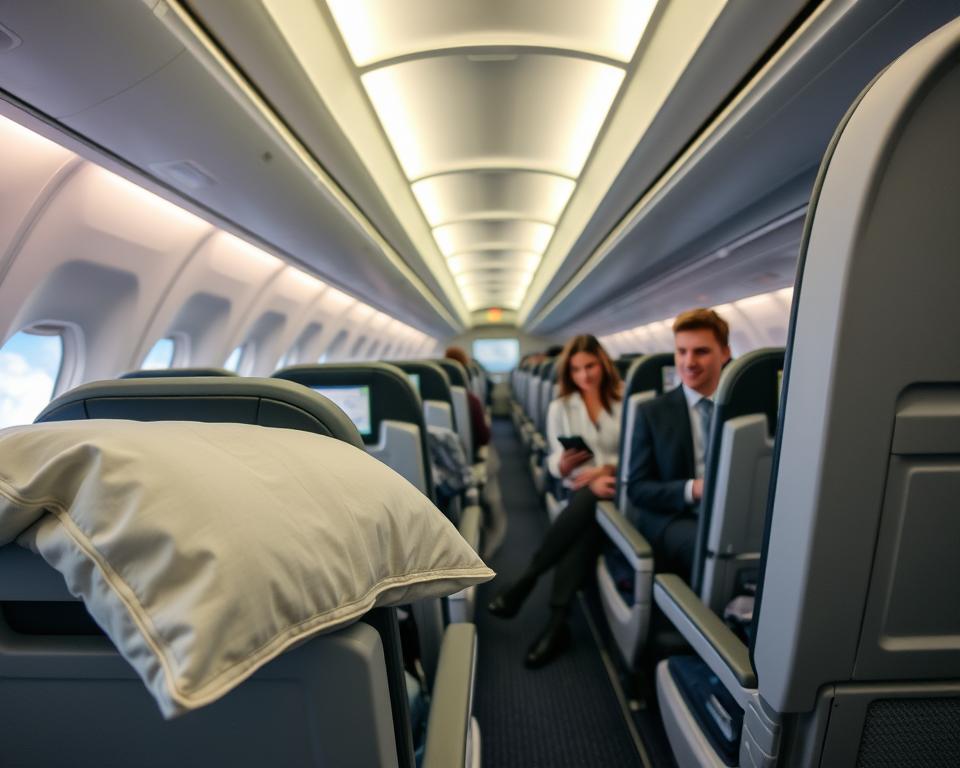
Seat layouts matter, too: on some 2-3-2 and 3-3-3 planes, a middle-block aisle seat may mean fewer seatmates to climb past. This setup varies by plane, and a 3-4-3 layout is different. Exit-row seats can feel chilly because their doors have less insulation.
ADVERTISEMENT
If you need more room, ask the gate agent whether an empty seat or row is available. Extra-seat policies vary by airline; Southwest offers a complimentary additional seat in some cases. If your seat belt feels too tight, ask a flight attendant for an FAA-compliant extender.
Pack a carry-on comfort kit you’ll actually use
Keep a small bag inside your carry-on for items you may need during the flight. You can reach your book, earphones, and toiletries, even when your main bag is overhead.
Bring sleep essentials
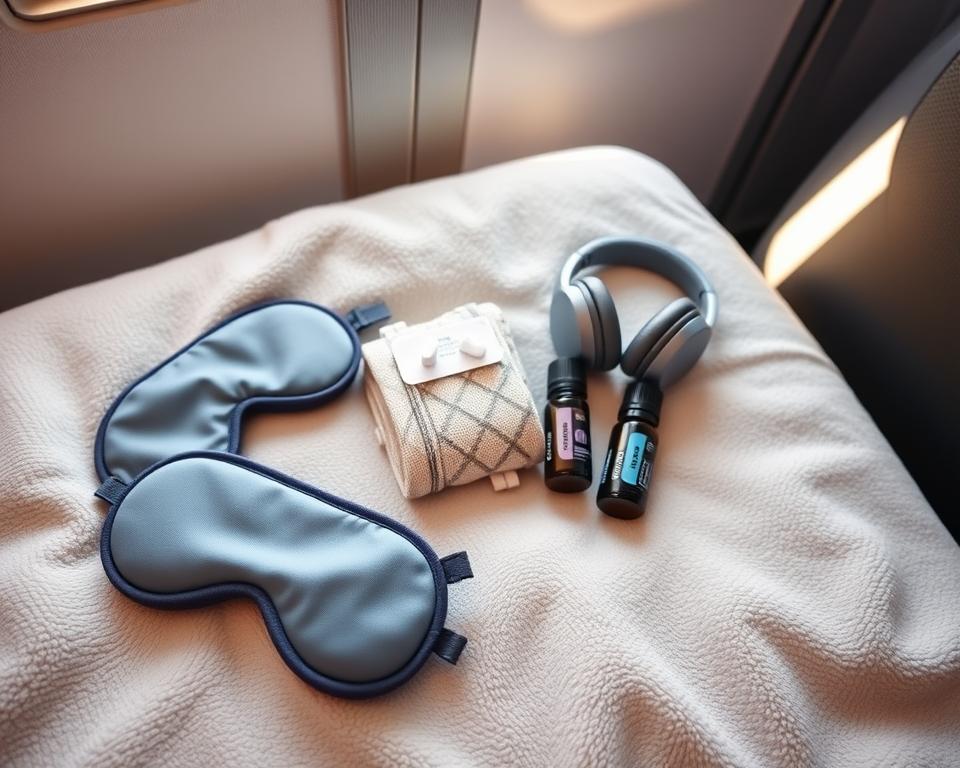
A travel pillow can support your head and neck. The Cabeau Evolution S3 has a flat back and straps that attach to a headrest. Add an eye mask to block cabin light, and pack a scarf or shawl as a blanket or extra pillow.
A compact carry-on sleep kit can help you settle in without filling your bag with unused items.
Add personal hygiene items
Pack a toothbrush, toothpaste, deodorant, facial wipes, a comb, and moisturizer. These basics can help you freshen up during a long flight.
Keep medications and must-haves within reach
Store medications and anything you cannot go a day without in your personal item. It stays close if your carry-on gets gate-checked. TSA allows liquid medications over 3.4 ounces and unused syringes with injectable medication, though extra screening may apply.
Dress for changing cabin temperatures
Cabin temperatures can shift during long flights, so a layered travel outfit helps you stay comfortable. Choose loose pants and a soft T-shirt, but skip stiff jeans or tight waistbands. They may pinch when you sit for hours.
A sweater or sweatshirt adds warmth and can work as a pillow. A large scarf adds another cozy layer. Slip-on shoes with socks make foot adjustments easy, while comfortable flight clothing keeps movement simple. Pack a fresh shirt to change after landing.
Set up your seat to support your back and legs
Lean back, then place a lumbar support pillow with a flat back behind your lower spine. Its shape may help you sit against the seat without pushing your back forward.
If your feet dangle, attach a leg hammock to the tray table for leg support. It gives your feet a place to rest and may ease lower-back strain. Keep your knees slightly bent, and do not place too much weight on the tray table.
Compression socks may improve blood flow and help reduce swelling during long flights. On trips over six hours, they may lower clot risk for some travelers, especially those with certain health conditions. They do not replace movement. Wear loose clothing around your waist to avoid extra pressure.
Make it easier to sleep on the plane
Sleep on board can be hard to predict, so make a plan before leaving home. Aim for at least seven hours of sleep the night before your flight. That rest can help you handle delays, turbulence, and other disruptions.
Match your sleep plan to your destination
Good sleep planning can help you adjust to a new time zone. Try a simple routine on the plane: eat, watch a movie, read, and sleep.
For jet lag prevention, the Timeshifter app offers timed light guidance based on your chronotype, sleep habits, and itinerary. Start using it several days before departure. Follow its timing closely, because poorly timed light exposure may worsen jet lag.
Limiting caffeine to the hours before lunch can support your plan.
Create a darker, quieter sleep space
An eye mask can block cabin light, while noise-canceling headphones or earplugs can reduce engine noise and nearby conversation. Pack them where you can reach them without unpacking your whole bag.
Adjust your seat and layers before trying to sleep. A few small steps can make the space calmer and help you rest.
| When | What to do | Why it helps |
|---|---|---|
| Before departure | Get at least seven hours of sleep and check your light schedule. | A rested start can make travel disruptions easier to manage. |
| During the flight | Follow a meal, movie, reading, and sleep routine. | A steady sequence can help you settle in. |
| At rest time | Use an eye mask and noise-canceling headphones or earplugs. | Less light and noise may mean fewer sleep interruptions. |
Move regularly to prevent stiffness
On flights longer than four hours, Dr. Sanjiv Lakhanpal recommends walking the aisle every one to two hours when safe. If that is not possible, stroll every two to three hours. These movement breaks can ease stiffness.
While seated, try ankle circles, heel raises, and foot pumps as simple circulation exercises. Before boarding, walk around the terminal instead of sitting at the gate. Calf raises, heel-toe rocks, and gentle knee bends can get your legs moving.
Gentle in-flight stretching can help your body feel better during a long trip. Before flying, try calf stretches, glute bridges, or child’s pose. After landing, take a long walk, do some mobility work, or go for an easy jog.
Manage hydration, meals, and ear pressure
Small choices can make a long flight easier. A steady plan for cabin hydration, food, and pressure changes can support in-flight comfort from takeoff to landing.
Drink water without overdoing caffeine or alcohol
Drink water before boarding and during the flight. Dehydration can cause fatigue, headaches, dry skin, and irritability.
Bring an empty reusable bottle through security and fill it after screening. Ask a flight attendant for more water instead of using the airplane bathroom tap.
Caffeine and alcohol may affect sleep, and alcohol can add to dehydration. If you choose a beer or glass of wine, drink water with it. Sip water often instead of having a large amount at once.
Choose meals and snacks that sit well
Pack travel snacks such as a banana, crackers, mixed nuts, or a protein bar. They help if meal service comes before or after you feel hungry. Fizzy drinks and spicy foods can cause bloating for some people.
Cabin pressure may puff up a bag of chips. Long periods of sitting can make legs feel swollen. Loose pants can ease pressure around your waist.
Ease pressure during takeoff and landing
As the plane climbs or descends, sip water, swallow, or yawn to help ease ear pressure. Gum or a lozenge may make swallowing easier. These simple steps can support in-flight comfort through the final part of the trip.
Stay entertained without exhausting yourself
Download music, movies, and ebooks before you leave. A traveler once faced a 14-hour flight to India without working in-flight entertainment. Offline entertainment can help when onboard options fail.
Charge your devices at home and pack the right cables. Plane outlets can fail because of power limits or wear. A portable charger can help, but check your airline’s rules.
Qantas, for example, bans using or charging power banks during flights. It requires them to stay in the seat pocket in front of you. TikTok’s Offline Videos setting can save up to 200 videos.
Bring a paper book for screen breaks, and mix music, reading, and rest. Do not check the flight-time display every few minutes. Save important work for later, since a middle seat may not offer enough room to focus.
| Before boarding | Why it helps |
|---|---|
| Download shows, music, and ebooks | You can enjoy offline entertainment if the seatback system is unavailable. |
| Charge devices and pack cables | You’ll rely less on outlets that may not work well. |
| Check power bank rules | Airline policies can limit where and when you may use or charge one. |
| Pack a paper book | It offers easy screen breaks during a long flight. |
Follow a simple comfort routine from boarding to landing
Good preflight preparation starts the night before. Get solid sleep, walk around the terminal, and charge your devices before boarding. After boarding, keep a small essentials bag beside your seat for easy access.
Build a simple long haul flight routine around food, water, movement, and rest. Walk or stretch when safe, and refill your water as needed. Use a toothbrush, toothpaste, moisturizer, deodorant, and hand sanitizer; clean your hands after bathroom use and before touching your face.
If motion sickness concerns you, ask your doctor about options, such as a scopolamine patch. It can take about four hours to work; small bites, water, ginger lozenges, or hard candy may also help.
After landing, take a short walk or try gentle mobility moves to ease stiffness. A little post-flight recovery can help you feel more comfortable while settling into your destination.




