
ADVERTISEMENT
In 2024, 37% of U.S. adults said they could not cover a $400 emergency expense with cash or its equivalent. For a household relying on one paycheck, a clear plan can make unexpected costs easier to manage.
A monthly budget for single income tracks money coming in and going out. It can help you pay bills on time and manage one-income household expenses. It can also make room for savings, debt payments, and personal spending.
Key Takeaways
- Track income and expenses each month.
- Plan for bills, essentials, and personal spending.
- Set aside money for savings and unexpected costs.
- Use a budget to guide your choices, not restrict every dollar.
Calculate the monthly take-home pay your budget can safely use
Begin with your pay statements, not your salary offer. Use money left after taxes, health insurance, and other payroll deductions. This net pay shows what your monthly budget for single income can assign to bills, needs, and goals.

ADVERTISEMENT
Use several recent statements if each paycheck differs. For variable income planning, use earnings you can rely on, not your largest paycheck. Update your plan after a job change, raise, promotion, or income drop.
Choose a zero-based structure for your one-income budget
With zero-based budgeting, give every dollar a job before the month begins. Subtract planned bills, savings, and spending from your take-home pay. The goal is zero dollars unassigned, not zero dollars in your bank account.
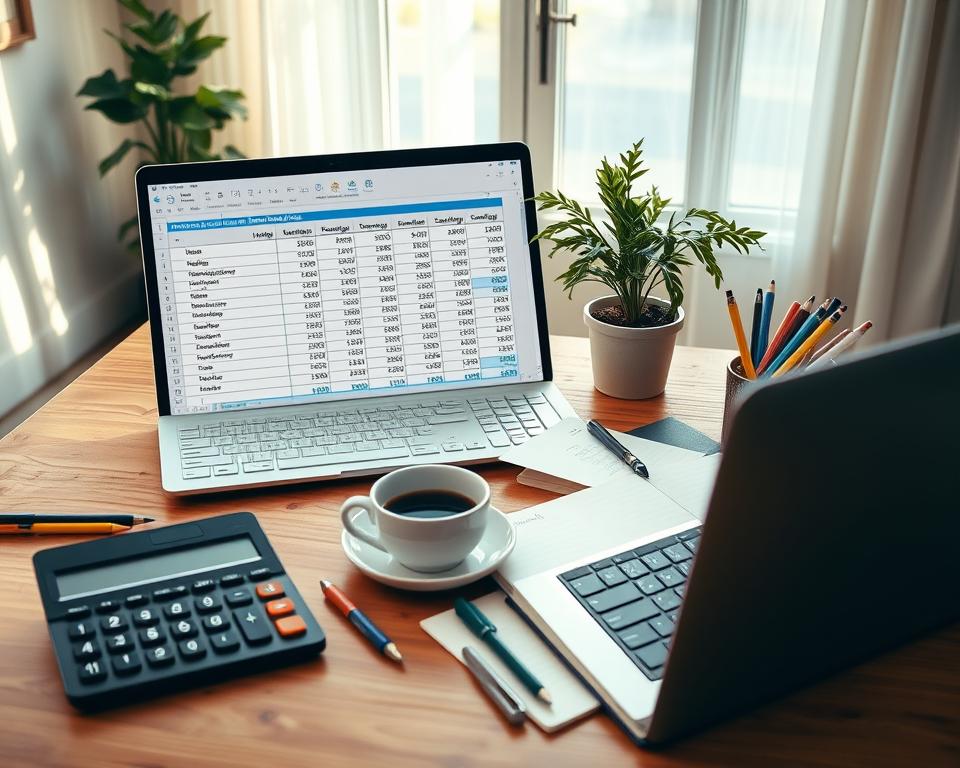
A monthly worksheet makes paycheck allocation easier to understand. List each purpose and the amount you set aside. EveryDollar lets you create budget categories and track what remains in each one.
This sample uses $4,000 in monthly take-home pay. Adjust the amounts to fit your bills and goals.
| Budget category | Planned amount | Purpose |
|---|---|---|
| Housing and utilities | $1,600 | Rent, electricity, and water |
| Food and household needs | $700 | Groceries and basic supplies |
| Transportation and bills | $600 | Travel costs, insurance, and recurring bills |
| Savings and debt | $700 | Emergency savings and extra debt payments |
| Personal spending | $400 | Flexible purchases and small treats |
| Total assigned | $4,000 | All monthly income has a purpose |
List fixed bills before planning flexible spending
List monthly bills before setting limits for food, travel, or fun. Fixed costs show how much take-home pay is already committed.
Housing, utilities, and insurance
Include rent or mortgage payments, property taxes, insurance, utilities, and basic repairs. The Bureau of Labor Statistics reports that U.S. households spent an average of $77,280 in 2023. Housing made up about 33% of that total, or $25,436. Costs vary by location, so compare your housing cost ratio with monthly take-home pay.
Minimum debt payments and recurring bills
List minimum payments for student loans, credit cards, and personal loans. Add recurring bills, such as phone service and internet. These one-income household expenses need space in your budget before flexible spending.
Review statements for charges you may have missed. Add new bills as they arise, and update the list when payments change.
| Fixed expense | What to include | Budgeting step |
|---|---|---|
| Housing | Rent or mortgage, property taxes, insurance, and basic repairs | Track the monthly total and compare it with take-home pay |
| Utilities | Electricity, gas, water, and essential service fees | Use recent bills to estimate a typical monthly amount |
| Debt payments | Minimums for student loans, credit cards, and personal loans | Record each due date and required payment |
| Recurring bills | Phone, internet, and other regular charges | Check statements and add new expenses promptly |
Fund essential household needs first
Set aside money for basic needs before planning optional spending. These costs can change monthly, so use recent bills and receipts to estimate them. This gives your one-income household expenses a firm starting point.
Groceries and household supplies
Budget for food, cleaning products, toiletries, and other basics. In 2023, U.S. households spent an average of $9,985 on food at home, nearly 13% of total spending. Use this figure as a reference, not a target, because household size and local prices vary.
Transportation and healthcare
Include car payments, insurance, fuel, repairs, public transit, and rideshares. Healthcare costs may include premiums, deductibles, copays, prescriptions, and medical supplies. These essential monthly expenses are easy to underestimate, so check recent statements and plan for routine care.
Childcare and dependent costs
Childcare is a need when it supports work or school. Add care fees, school supplies, and other regular dependent costs. Include essential clothing, while allowing for seasonal changes and children’s growth.
| Expense category | Average annual U.S. spending in 2023 | Share of total spending |
|---|---|---|
| Food at home | $9,985 | Nearly 13% |
| Transportation | $13,174 | 17% |
| Healthcare | $6,159 | 8% |
| Apparel and services | $2,041 | Nearly 3% |
Set savings and debt goals that fit your income
With one income, match savings goals to the bills you must pay each month. The 50/30/20 rule offers a starting point: 50% for needs, 30% for wants, and 20% for savings. If 20% feels too high, choose a smaller amount you can maintain over time.
Build an emergency fund
Set aside money from each paycheck to build a financial cushion for urgent repairs, medical bills, or lost income. Schedule emergency fund contributions for payday, even if you begin with a modest sum. Regular deposits can grow your savings without putting too much strain on your budget.
Pay down high-interest debt
Make at least the minimum payment on every balance. For a debt repayment strategy, try the snowball method: pay extra on your smallest debt while paying minimums on the rest. EveryDollar offers a debt tracker that records progress and can suggest a new payment amount if you fall behind.
Save for retirement and other priorities
When cash flow allows, contribute to a retirement account each payday. If your employer offers a match, contribute enough to receive it. Sharing goals with someone you trust may help you stay on track. One study found people who shared financial goals were 71% more likely to reach them.
| Goal | Practical next step | Budget benefit |
|---|---|---|
| Emergency savings | Set an automatic payday transfer | Builds a reserve for urgent costs |
| High-interest debt | Pay minimums, then target one balance | Creates a clear payoff plan |
| Retirement | Contribute regularly and check for an employer match | Supports long-term savings |
Plan for annual bills with sinking funds
Some costs come once or twice a year, but they need not upset your monthly budget. Save a small amount from each paycheck for these annual household expenses.
Predictable expenses such as insurance and subscriptions
List bills with known due dates, such as car registration, insurance premiums, and yearly subscriptions. Divide each bill by the months until it is due. For example, a $600 bill due in 12 months requires $50 in monthly savings. EveryDollar’s free version lets you set due dates and track sinking funds.
Repairs, medical costs, and other surprises
Car repairs, medical costs, home fixes, and holiday gifts can be hard to predict. Set a monthly amount for these needs, plus a separate holiday or gifting budget if helpful. Saving ahead can cover surprises without taking money from bills, debt payments, or other goals.
Set a realistic allowance for personal spending
A personal spending budget should cover bills and leave room for small joys. The 50/30/20 rule suggests using up to 30% of take-home pay for wants, including dining out, gifts, travel, and entertainment. Use that number as a guide, not a fixed rule.
Your needs, income, and savings goals may require a smaller or larger amount. With zero-based budgeting, give every dollar a job, including money for fun. Track each category, then adjust the allowance if it feels too tight or leaves cash unused.
Find spending cuts without making the budget miserable
You do not need to give up every small treat to free up cash. First, cut charges you no longer use, then lower routine costs. These steady changes can help you cut monthly expenses without making daily life feel tight.
Review subscriptions and recurring charges
Check bank and credit card statements for monthly fees, auto-renewals, and memberships. Cancel services you rarely use or choose a cheaper plan. Try a no-spend week to spot impulse buys, or a full month if manageable.
EveryDollar says its users uncover an average of $395 and reduce monthly expenses by 9%. These are the company’s reported figures, not a promise for every household.
Reduce grocery, utility, and transportation costs
Plan meals, use coupons, and buy staples in bulk at Costco or Sam’s Club when unit prices make sense. These habits can build grocery and utility savings over time. For lower energy use, set household thermostats to 78 degrees in summer and 68 degrees in winter, if suitable.
Review car insurance at renewal and compare quotes from several providers. Reports cited for this period say premiums in some states, including Florida, rose 10% from 2024 to 2025. Comparing quotes may help you find a better rate.
| Expense | Action to try | Potential benefit |
|---|---|---|
| Subscriptions | Cancel unused services and review auto-renewals | Fewer recurring charges each month |
| Groceries | Plan meals, use coupons, and compare bulk prices | Lower food costs with less waste |
| Utilities | Adjust the thermostat and reduce energy use | Smaller heating and cooling bills |
| Transportation | Compare car insurance quotes at renewal | A chance to find a lower premium |
Protect the budget when your income or expenses change
A budget works best when it matches your life today. Review it after a job change, job loss, major life event, or new mortgage. Add expenses that arise during the year, and update the plan when your pay changes.
Prepare for an income drop
When pay falls, base your spending plan on income you can count on. Variable income planning helps you prepare for uneven paychecks by saving money during higher-income months. Keep a financial cushion for key bills, including housing, food, and utilities.
Direct deposit can send set amounts to savings, a bill-paying checking account, and an account for everyday spending. This can help keep bills covered when income shifts.
Decide where extra income should go
A raise or promotion is a good time to review your plan. Decide how much extra pay will go toward savings, debt, and current needs before it blends into daily spending.
The 50/30/20 rule can offer a starting point, but its shares may not fit every household. Adjust them to match your bills, goals, and financial cushion.
Build a monthly budget you can use on payday
Make payday simple by giving each dollar a job before it arrives. A clear paycheck allocation sends part of your direct deposit to savings.
It sends enough to checking for bills and the rest to your debit card for daily spending.
Use a monthly budget worksheet to match bill due dates with your paydays. EveryDollar Premium lets you plan spending around both. Its free version lets you create a monthly budget and set unlimited categories.
You can track transactions by hand on a computer, phone, or tablet.
Review the plan each month and rebalance before problems grow
Track each purchase for a month or two to see what bills and daily needs really cost. A monthly budget review can show which categories need closer control.
Check spending during the month, not just at the end. Small spending adjustments can help prevent overspending or using savings to cover a shortfall.
Revisit the plan a couple of times a year, or when income, debt, or household needs change. EveryDollar’s free version lets you track transactions by hand; Premium offers custom reports and spending comparisons over time.
| When to review | What to check | What to do |
|---|---|---|
| During the month | Daily purchases and category balances | Adjust flexible spending before funds run low |
| After one or two months | Actual costs compared with estimates | Update amounts that no longer fit |
| After a major change | Income, debt, or household costs | Rebalance the plan around current needs |
Keep your single-income budget simple enough to follow every month
A monthly budget for single income works best when it is easy to update. Use a spreadsheet, an app like YNAB or EveryDollar, or cash envelopes. Choose one method you can follow each payday.
Budgeting tools help you track bills, spending, and savings in one place. EveryDollar’s free version lets you enter purchases by hand and set aside money for future costs. A spreadsheet does the same job if you want a simple, flexible plan.
Check your budget once a month and make small changes when needed. Keep categories clear, allow personal spending, and set a reminder to review your progress. A plan you can follow is more useful than one that tracks every penny.




