
ADVERTISEMENT
A $600 yearly bill equals $50 each month when you plan ahead. Sinking funds for annual expenses help you save gradually for known costs.
Use annual bill savings for expected costs, such as car maintenance, holiday gifts, or home repairs. Unlike an emergency fund, a sinking fund covers a planned expense. Regular deposits help you prepare before the bill is due.
Key Takeaways
- A sinking fund is money saved for a specific, expected cost.
- Small, regular deposits can make large bills easier to handle.
- Annual bill savings are for planned costs, not unexpected emergencies.
- Common uses include car care, holidays, and home repairs.
- Start with the expenses you know are coming up.
Why annual expenses deserve their own sinking funds
Car registration, holiday gifts, and annual insurance premiums can strain a monthly budget when they arrive. Irregular bill planning spreads these costs across the year, making one large payment easier to manage.

A sinking fund has a clear purpose and often a due date. Set aside a small amount each month to track your progress before the bill comes due. These sinking fund benefits may help you avoid credit card debt or using emergency savings.
ADVERTISEMENT
Keep these two types of savings separate. Emergency funds cover unexpected setbacks, such as job loss or a major repair. Sinking funds cover expected costs, even when they come only once or twice a year.
| Fund type | What it covers | Example |
|---|---|---|
| Sinking fund | Predictable costs with a known goal or due date | Annual car insurance premium |
| Emergency fund | Unexpected setbacks that need quick attention | Urgent home repair after storm damage |
Which yearly expenses should you include
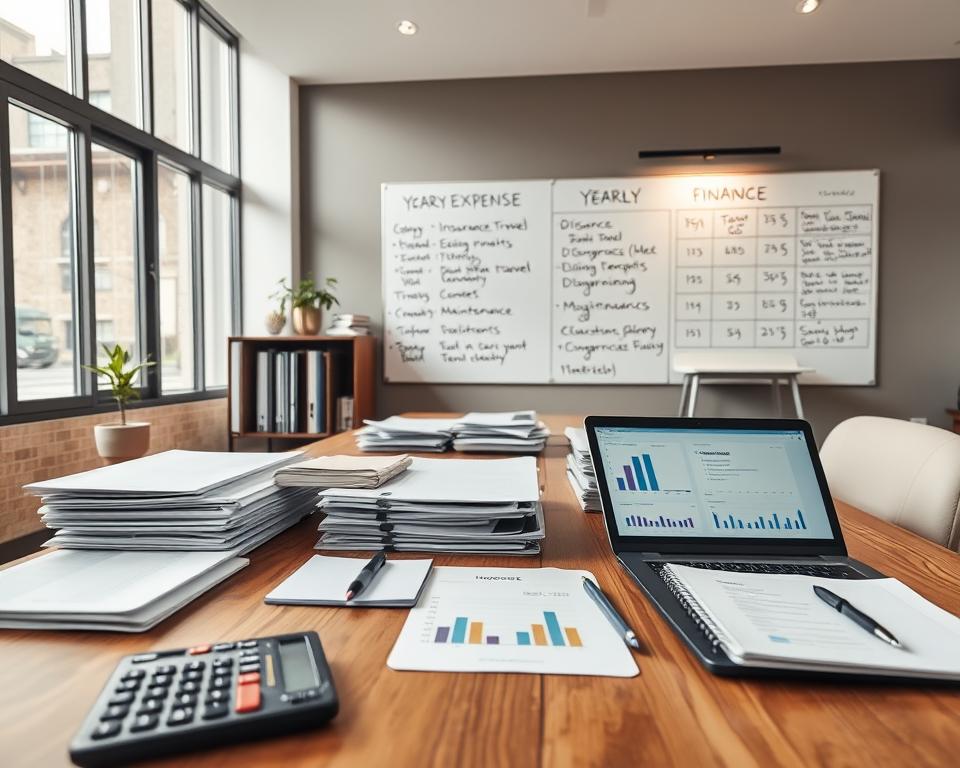
Start with costs that arrive once or a few times a year. Group them into yearly expense categories, so each bill has a clear place in your budget.
Home and transportation bills
Plan for property tax payments, insurance premiums, memberships, and professional fees. Home costs may include appliance replacement, HVAC service, and repairs. Car costs can include registration, inspections, tires, oil changes, and routine maintenance.
ConsumerAffairs reports an average vehicle maintenance cost of $900 per year. Your total may vary based on your car’s age and type. Include insurance premium budgeting in this group, along with annual or quarterly bills.
Holidays, gifts, and special occasions
Birthdays, holidays, weddings, graduations, and anniversaries may cost money for gifts, food, travel, clothing, and events. Back-to-school spending may fit here, too. A National Retail Federation survey found families with school-age children planned $858 on average; college students planned to spend $1,326.
Medical, personal, and subscription costs
Set aside money for copays, prescriptions, dental care, glasses, and deductibles. Haircuts and gym memberships may belong in this group as well. Check annual charges for streaming services, antivirus software, and cloud storage.
How to find each bill’s amount and due date
Review bank and credit card statements from the past 12 months. Bills paid yearly or every few months may not appear in your monthly budget. An expense tracking app can sort charges by date and type.
Check each bill, account statement, and subscription renewal notice for its latest amount and due date. During your annual bill review, cancel unused services and note price changes. For holidays and celebrations, use past spending as a guide, then adjust estimates for this year’s plans.
Record each cost’s amount, due date, and source. These details help you plan a steady monthly contribution.
| Expense | Where to check | What to record |
|---|---|---|
| Car insurance | Policy documents or insurer statements | Premium, payment frequency, and next due date |
| Property taxes | County tax bill or payment record | Amount due and installment dates |
| Subscriptions | Renewal emails or account settings | Renewal price, billing date, and whether you still use it |
| Holiday spending | Last year’s bank statements and receipts | Total spent and the months you expect to shop |
How to calculate a monthly sinking fund contribution
Start with the bill’s expected cost and due date. Divide the amount by the months available for saving. A sinking fund calculator checks your math and helps set a clear monthly savings target.
Divide the expected annual cost into monthly payments
If an expense costs $1,200 and is due in 12 months, save $100 each month. This plan spreads the cost across the year instead of leaving one large bill.
Adjust the target when you start saving late
Count the months left before the due date, not the months in a full year. If you need $1,200 and have eight months to save, contribute $150 each month.
Estimate costs that change from year to year
Use past bills and current quotes to choose a starting amount. Update your monthly savings target as you learn more about the cost. For home upkeep, experts often suggest saving 1% to 4% of your home’s value each year.
On a $500,000 home, that equals $5,000 to $20,000.
This Old House estimates replacing a roof on a 1,800-square-foot home costs $7,071 to $23,417. The average cost is $9,199. Use these figures as a guide, then adjust your plan for your home and local prices.
Where to keep money for annual expenses
Keep sinking fund money separate from emergency savings and daily spending. This setup makes it easier to check each goal and update your cash flow forecast.
Use a separate savings account
A dedicated savings account can hold money for yearly bills in one place. Choose an account that is easy to access and has no monthly fee. Track the balance to see whether each savings target stays on pace.
Create labeled buckets for different bills
Some banks let you create labeled buckets inside one account. Name each bucket for a goal, such as car registration or holiday gifts. Separate accounts can also work well, especially if you prefer one account per bill.
Use a simple record to track each fund’s purpose, target, and current balance.
| Setup | Works well when | What to track |
|---|---|---|
| One savings account with buckets | You want fewer accounts and clear labels | Each bucket’s target and balance |
| Separate savings accounts | You prefer each goal kept apart | Each account’s target and balance |
How to automate your monthly contributions
Treat each sinking fund contribution like a monthly bill. Add it to your budget, then schedule automatic savings transfers from checking to savings. Choose a date soon after payday, when money is available.
You can set regular deposits once a month or divide them among paychecks. The money then moves into savings without relying on memory. Check your account balance before choosing the transfer amount to avoid overdrafts.
What to fund first when your budget is tight
When money is tight, fund the bill due soonest or the cost hardest to pay at once. These sinking fund priorities help you direct savings toward your most urgent need.
Begin with two or three funds, such as car registration, insurance, or holiday costs. Track each balance, and change contributions when dates or costs shift. A flexible savings fund can support short-term savings goals you have not planned yet.
| Priority | What to fund | Why it matters |
|---|---|---|
| 1 | A bill due soon | It reduces the risk of a shortfall or late fee. |
| 2 | A costly need, such as car repairs | It can be hard to pay all at once. |
| 3 | A flexible savings fund | It leaves room for short-term savings goals that arise later. |
How to adjust sinking funds as costs change
Review your targets when a bill rises, a due date shifts, or your plans change. Vehicle maintenance may cost more as a car ages, so use recent repair bills to update your monthly savings goal. These sinking fund adjustments keep your plan tied to real costs.
A 2025 American Animal Hospital Association study found that nearly half of pet owners worried about unexpected pet costs, up from one-third in 2022. Lifetime care estimates rose more than 11% for dogs and 19% for cats since 2022. Check current vet costs and revise your pet-care fund as needed.
Changing annual expenses can affect home repairs and tech purchases, too. U.S. News & World Report found 55% of homeowners faced a major repair straining their budget in the prior year. Deloitte reported average household spending of $896 on connected devices in 2025, while plans for future spending varied. Review each target once or twice a year, adjusting contributions to match updated estimates.
How to use the money when a bill comes due
Use the fund set aside for each bill when it comes due. Pay annual insurance premiums, vehicle repairs, or planned home fixes from matching balances. Clear labels help you keep each fund on track.
Good annual bill payment planning helps you use savings with care. Sinking funds cover expected costs, so you can avoid credit card debt. They also leave emergency savings for true surprises.
Make annual expenses routine with a yearly reset
Set aside time each year for a yearly budget reset. Review last year’s expense tracking to list bills, costs, and payment dates. Add new annual costs to your sinking funds.
Check upcoming bills and update your savings targets. Review subscriptions and memberships, cancel services you no longer use, and plan for renewals you want to keep. Set new savings timelines based on each due date.
Review your funding priorities and schedule automatic transfers for the year ahead. Keep sinking funds separate from emergency savings. Sinking funds cover planned costs, while emergency savings help with unexpected setbacks.




