
ADVERTISEMENT
A damp layer can make a cold day feel much harsher than the thermometer suggests. Smart winter packing means more than bringing a bulky coat for cold-weather trip packing.
This winter travel packing list helps you choose useful layers, shoes, and small essentials for your trip. Plan ahead for driving, train travel, or flying to keep your bag light and you comfortable.
Key Takeaways
- Check the forecast and plan for your activities.
- Use base, insulating, and weatherproof layers.
- Pack warm accessories and shoes suited to the conditions.
- Repeat versatile outfits and make room for laundry.
- Keep a warm outfit and key essentials in your carry-on.
Match your packing list to the weather and your plans
Start with the forecast, trip length, and plans for each day. Good winter destination planning helps you pack for expected conditions without filling your bag with gear you may not use.
Cold, wet, or snowy forecasts
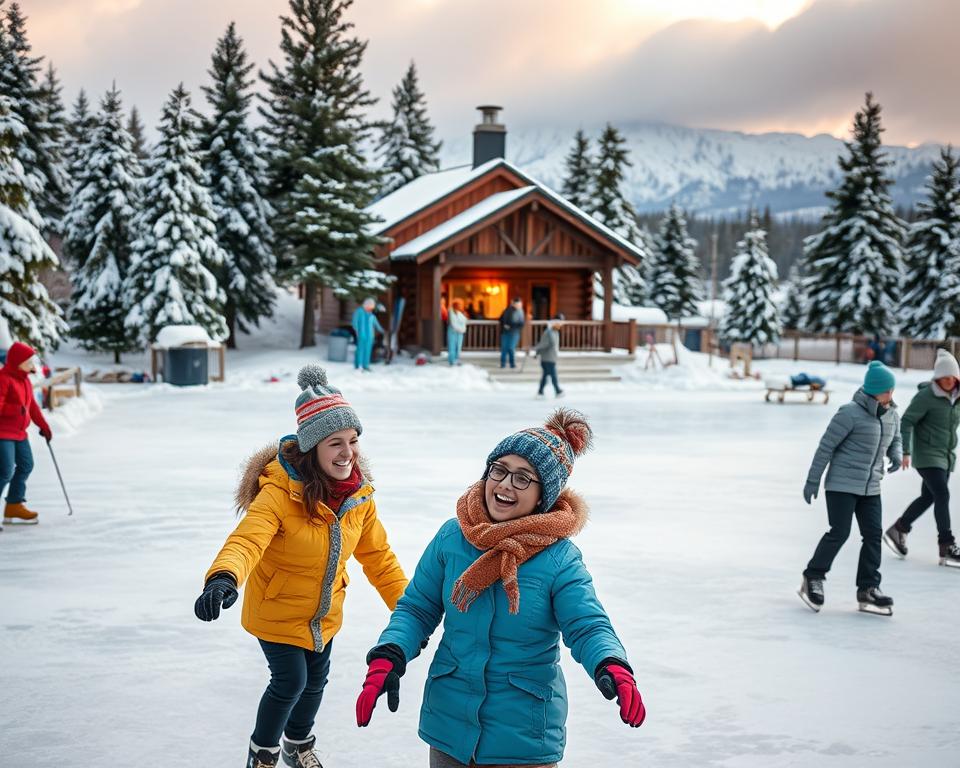
For rain or snow, pack a water-resistant coat and shoes that handle wet sidewalks. Add warm socks and gloves if you expect time outside. Check the forecast again before you leave.
City sightseeing and mostly indoor trips
For museums, restaurants, and shops, choose comfortable layers you can remove indoors. A warm coat, light sweater, and shoes made for walking may cover most of your day.
ADVERTISEMENT
Skiing, hiking, and other outdoor activities
Plan winter travel activities around the time you will spend outside. Skiing and hiking need clothing suited to each activity, plus warm layers for breaks. Check which gear you can rent or borrow before packing.
| Trip plan | Packing focus |
|---|---|
| Wet or snowy weather | Water-resistant coat, shoes, and warm socks |
| City sightseeing | Comfortable walking shoes and easy-to-remove layers |
| Outdoor activities | Activity-ready clothing and extra warmth for breaks |
Build outfits around three warm layers
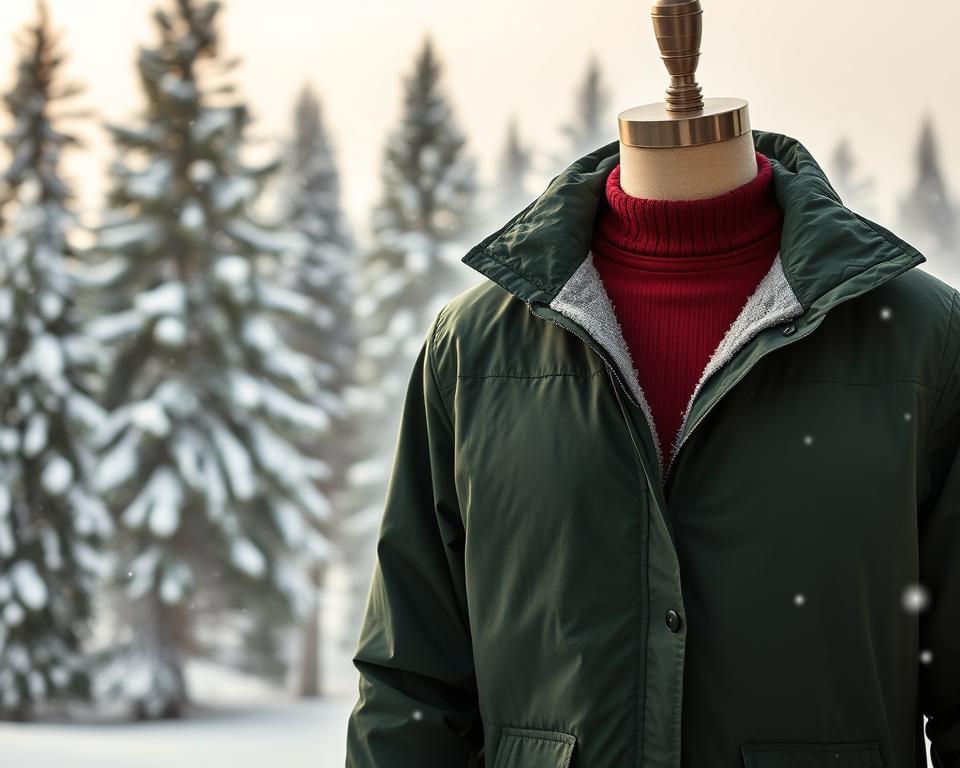
A simple layering system lets you adjust to cold walks, warm shops, and changing weather. Start with a close-fitting base, add insulation, and finish with a shell that blocks wind or rain.
Moisture-wicking base layers
Wear thermal base layers next to your skin. Choose moisture-wicking fabrics, such as synthetic blends or merino wool, to manage sweat during busy days. Pack tops and bottoms that feel comfortable under regular clothes.
Fleece, wool, and other insulating midlayers
Add a fleece, wool sweater, or light insulated jacket over your base layer. These pieces hold warmth and are easy to remove indoors. Pick one or two options that match several outfits.
Waterproof or windproof outer layers
Top your outfit with a coat or shell suited to the forecast. A waterproof layer helps in rain and wet snow, while a windproof jacket makes breezy walks more comfortable. Check that your outer layer fits over the clothes beneath it.
| Layer | Main role | Packing tip |
|---|---|---|
| Base | Feels comfortable next to skin | Bring a spare for active days |
| Midlayer | Adds warmth | Choose a piece that pairs with many outfits |
| Outer layer | Helps shield you from wind or precipitation | Match it to the expected weather |
Pack the winter accessories that keep heat in
A warm hat, gloves or mittens, and a neck warmer cover skin when wind picks up. These winter travel accessories take little space and make outdoor time more comfortable.
Choose items that fit well and work with your coat. A spare pair of gloves helps if one gets wet, while a soft scarf adds cold-weather comfort on chilly walks.
Choose shoes and socks for snow, slush, and walking
Match your footwear to the forecast and your plans. For snowy paths or wet streets, waterproof insulated boots keep feet warm and dry. For city days with little snow, winter walking shoes feel lighter and easier to wear.
Wear wool or synthetic socks that move sweat away from your skin. Choose socks that fit without making your shoes tight; cramped toes get cold faster. Pack an extra pair for long days outdoors or wet weather.
Use this quick guide to choose what to pack:
| Travel conditions | Footwear | Sock choice |
|---|---|---|
| Snowy paths and deep slush | Waterproof insulated boots with a grippy sole | Warm wool or synthetic socks |
| Wet sidewalks and light snow | Water-resistant winter walking shoes with good tread | Moisture-wicking socks |
| Mostly dry city days | Comfortable winter walking shoes | Light wool or synthetic socks |
Limit your wardrobe without running out of outfits
A small set of pieces can cover warm days, cold nights, and changing plans. Build a winter capsule wardrobe with colors and layers that work together.
Tops, underwear, and sleepwear
Pack tops that match every bottom, plus enough underwear for your trip. Bring one comfortable, warm sleepwear set.
Pants, dresses, and other bottoms
Choose bottoms that work with several tops. Dark jeans or travel pants hide small marks. A warm dress suits dinner or daytime plans.
Laundry supplies and easy outfit repeats
A compact travel wardrobe offers more outfits when you repeat pieces. Pack a little detergent for sink washing, and choose quick-drying fabrics when possible.
- Pick two or three colors that mix well.
- Repeat a base layer under different outfits.
- Bring one extra top for spills or wet weather.
Add toiletries for dry skin and cold-weather comfort
Cold, dry air can make skin feel tight during winter travel, making cold-weather skincare important. Pack a small moisturizer, lip balm, and gentle cleanser in your carry-on for easy access. Choose familiar products to avoid surprises while away.
Keep winter travel toiletries together in a clear, leak-resistant pouch. Add hand cream and personal care items you use each day. Check liquid limits before flying, and bring a reusable water bottle to stay hydrated on the go.
Bring practical gear for winter travel days
Cold-weather plans can change quickly, so keep useful items nearby. The right gear supports winter travel safety on roads, in towns, and during longer outdoor days.
Weather protection and visibility
Pack a compact umbrella or rain shell, plus a reflective band or light for dark walks. For road trips, carry a winter driving emergency kit with a flashlight, warm blanket, gloves, water, snacks, and phone charger.
Daypack essentials for long outings
Bring water, snacks, a power bank, and a small first-aid kit. Store your passport and itinerary details safely, and leave copies with someone you trust.
Health and safety items
Check whether your medical insurance covers care at your destination. If you plan to drive abroad, learn local rules and check whether you need an international driving permit. Wear a seat belt on every trip.
| Item | Why it helps |
|---|---|
| Reflective band or light | Helps others see you on dark winter streets. |
| Winter driving emergency kit | Provides basic supplies during a roadside delay. |
| First-aid kit and medicines | Helps manage minor needs while you are out. |
| Insurance details and document copies | Makes key information easier to access in an emergency. |
Save luggage space without sacrificing warmth
Smart choices make space-saving winter packing easier. Keep layers that protect you from cold, wind, and snow, but leave extra bulk at home.
Wear your bulkiest layers in transit
Wear your heaviest coat, boots, and sweater on travel day. Remove a layer after sitting down, then use it as a pillow or blanket.
Use packing cubes and compressible layers
Pack thin base layers and soft midlayers in packing cubes to keep outfits neat. Roll clothes to save room, and press air from compressible items before packing.
Keep one warm outfit in your carry-on
Pack a warm top, spare socks, and a base layer in your carry-on. Check your airline’s carry-on luggage restrictions before leaving, since size and weight limits can vary.
Run through this final winter packing check before leaving
Use your winter packing checklist to confirm warm layers, dry socks, weather-ready shoes, and the right coat for your plans. Pack gloves, a hat, skin care, and any activity gear you will need.
Check your bag for daily clothes, sleepwear, toiletries, and practical items like a charger, medicine, and a small daypack. Keep one warm outfit and key essentials in your carry-on if your checked bag is delayed.
Before an international trip, look up your country’s embassy services and register if a traveler program is available. If you plan to drive, confirm your auto insurance covers the destination; you may need temporary local coverage.
Finish your pre-trip travel check by reviewing the forecast, travel documents, and transport plans. A few minutes now can help you leave with less stress and the gear you need.




